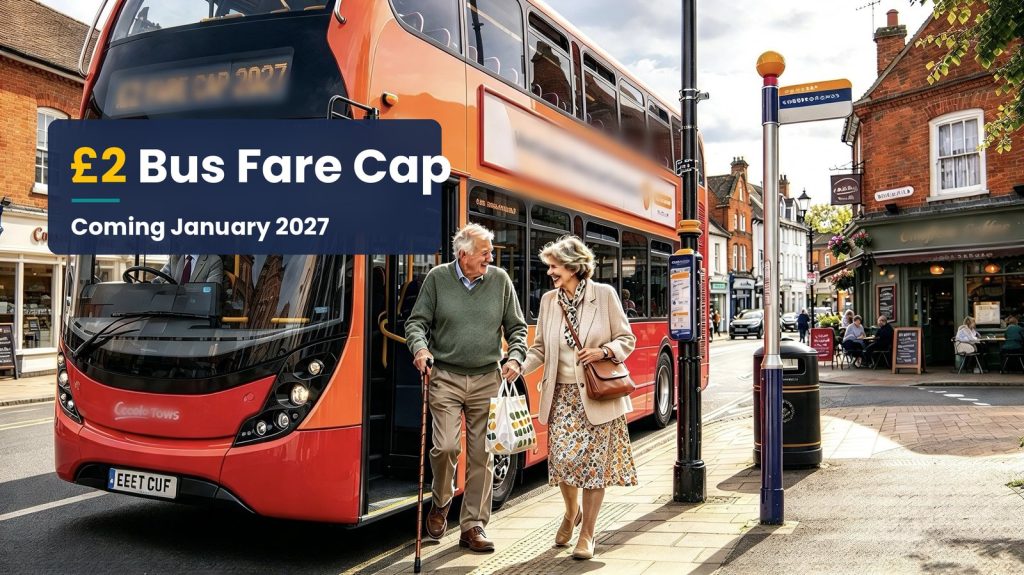
From 1 January 2027, the most you’ll pay for a single bus journey in England outside London drops from £3 to £2. The bus fare cap 2027 was announced by Prime Minister Andy Burnham in July 2026, and it runs until 31 December 2027.
For many over 55s, that’s welcome news. But it doesn’t affect everyone the same way. If you already have a free bus pass, the picture is very different from someone in their late fifties or early sixties who pays every time they board.
Here’s what’s changing, who gains most, and how to make the most of it.
Table of Contents
What Is the Bus Fare Cap 2027?
The bus fare cap 2027 limits eligible single fares to £2 on participating bus services across England, excluding London. It replaces the £3 cap that has been in place since January 2025.
The £3 cap was due to run until the end of March 2027. Instead, the lower cap takes over three months early, on 1 January, and lasts the whole calendar year.
The government is backing the scheme with £400 million of extra funding. You can read the official announcement on GOV.UK.
| Date | What happens |
| Until 31 Dec 2026 | £3 cap on single fares stays in place |
| 1 Jan 2027 | £2 cap begins on participating services |
| 1 Apr 2027 | Time limits lifted on disabled person’s bus passes |
| 31 Dec 2027 | £2 cap currently due to end |
A Quick History of £2 Bus Fares
This isn’t the first time we’ve had £2 fares. The original £2 cap arrived in January 2023, then rose to £3 from January 2025 because the government of the day said the lower rate wasn’t affordable.
As Mayor of Greater Manchester, Andy Burnham kept £2 fares on the Bee Network. He’s now taken that policy national. The government says the last £2 cap led to an estimated 30 million extra bus journeys in just ten months.
Who Benefits Most from the Bus Fare Cap 2027?
Over 55s Who Don’t Yet Have a Free Bus Pass
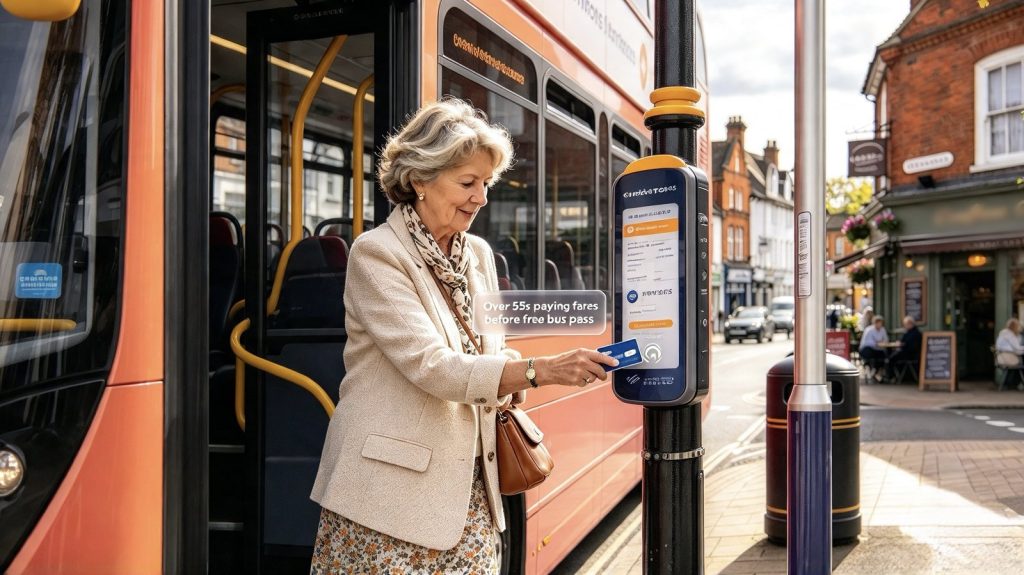
This is the group that gains most. In England, the free older person’s bus pass isn’t available at 60. It’s tied to State Pension age, which is currently 66 and rising gradually to 67 between 2026 and 2028. Our guide to Free Bus Pass Changes 2026 explains what’s changing with the pass itself.
So if you’re aged between 55 and 66, you’re probably paying full fare. Whether you’re still working, doing a part-time job, volunteering or helping with the grandchildren, the bus fare cap 2027 could put real money back in your pocket.
Example: two capped journeys a day, five days a week, saves up to £10 a week compared with £3 fares. That’s around £520 over the year. The saving only applies where your normal fare is above £2.
Bus Pass Holders Travelling Before 9.30am
Your older person’s bus pass in England is normally valid from 9.30am to 11pm on weekdays, and all day at weekends and on bank holidays. Catch a bus before 9.30am on a weekday, perhaps for an early hospital appointment, and you’ll usually have to pay.
From January, that fare can’t be more than £2 on participating services. Some councils offer extended hours, so it’s worth checking with yours.
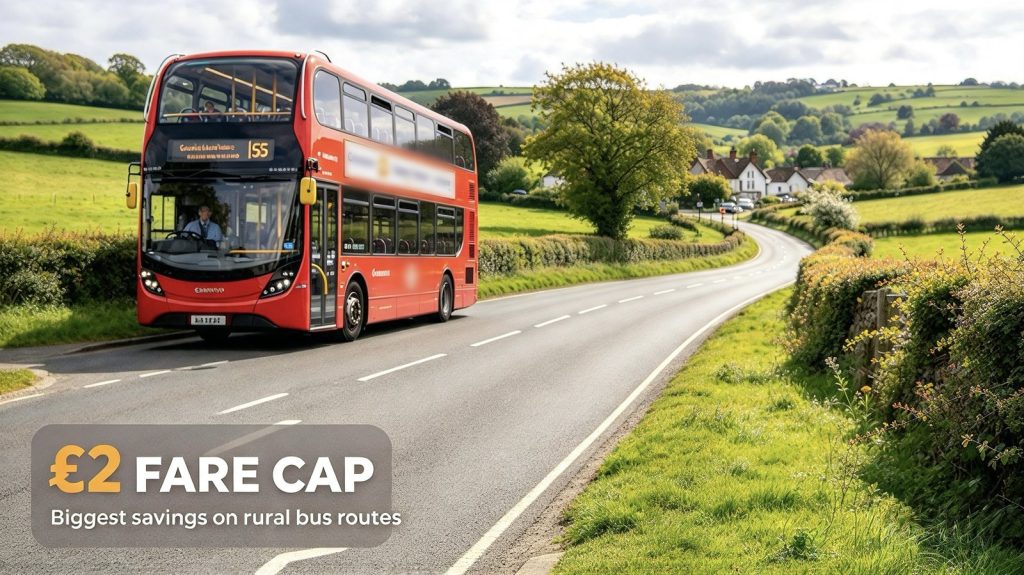
Longer journeys gain most. The government says some single fares on the most expensive routes could top £10 without a cap. If you live in a village with an infrequent service into town, the saving per trip could be substantial.
Disabled Passengers
Separately, from 1 April 2027 the time restrictions on disabled person’s bus passes are being lifted across England, backed by £60 million. Holders will be able to travel free at any time of day.
Note that this change applies to disabled person’s passes only. The older person’s pass keeps its existing hours. If you’re managing a disability or long-term condition, you may also want to read our guide to Attendance Allowance.
What the Bus Fare Cap 2027 Doesn’t Cover
The headline is simple, but there are a few catches:
- London: Transport for London sets its own fares, so the cap doesn’t apply there. Londoners aged 60 and over may qualify for the 60+ London Oyster photocard.
- Scotland, Wales and Northern Ireland: these set their own bus fare policies. Free bus travel there starts at 60.
- Non-participating operators: the cap covers participating services only, so check before you travel.
- Day and weekly tickets: the cap is on single fares. If you make several trips a day, a day ticket may still work out cheaper.
- Long-distance coaches: these haven’t been part of previous fare cap schemes, so don’t assume a coach ticket will be capped.
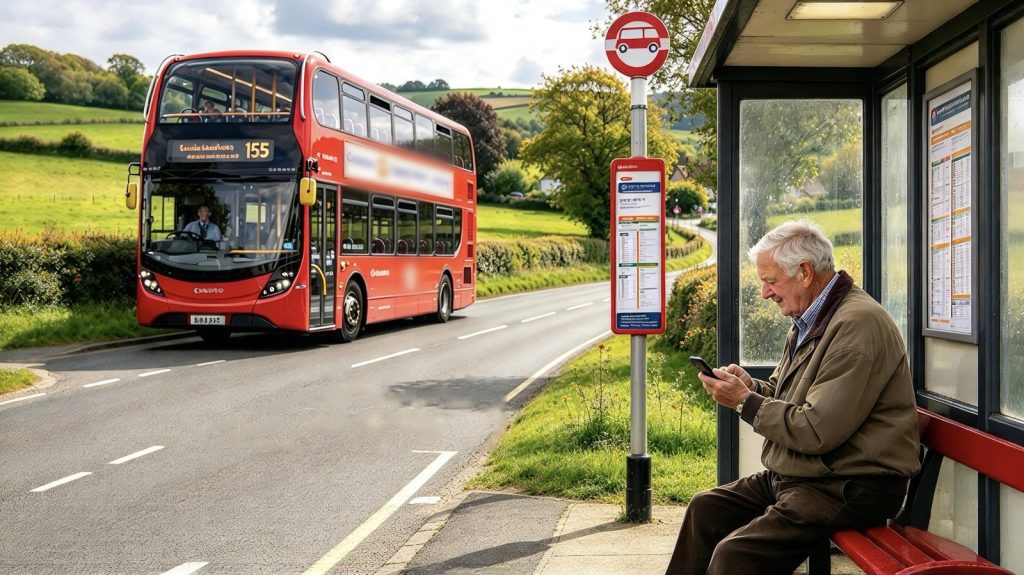
- Compare singles with day tickets. Two £2 singles cost £4. If your local day ticket is cheaper and you’re making three or more trips, buy that instead.
- Check your State Pension age. Use the GOV.UK State Pension age checker so you know exactly when you’ll qualify for a free pass.
- Apply for your bus pass promptly. Once you’re eligible, apply for your older person’s bus pass through your local council so you don’t pay a penny longer than you need to. Our Free Bus Pass Changes 2026 article covers the key rules to keep it valid.
- Plan early appointments. If you must travel before 9.30am, you’ll now pay no more than £2 on a participating service.
- Take the bus to health appointments. It saves on hospital parking charges, which can easily cost more than the fare. It’s a good moment to book the checks you’re entitled to, such as Free NHS Health Checks.
- Leave the car at home for some trips. With fuel prices where they are, swapping a few short journeys to the bus adds up. See our fuel costs article for more ways to cut motoring costs.
- Use your operator’s app. Most operators show capped fares and live times, which makes planning simpler and helps you spot non-participating routes.
Is the Bus Fare Cap 2027 Here to Stay?
For now, it’s confirmed until 31 December 2027. Burnham reaffirmed the policy in his Labour Party Conference speech in Liverpool at the end of September 2026.
What happens in 2028 hasn’t been announced. The cap has been extended several times since 2023, but every extension so far has been temporary. Keep an eye out for news in autumn 2027.
The Honest Pensioner Verdict
A £1 saving per journey doesn’t sound like much. But if you’re in your late fifties or early sixties, still paying fares and watching every penny, it soon adds up.
The people who’ll notice the bus fare cap 2027 most are those still waiting for their free bus pass, early-morning travellers and anyone on a long rural route. If you already travel free after 9.30am, it changes little day to day, but it’s handy for those occasional early trips.
Bus Fare Cap 2027 FAQs
When does the £2 bus fare cap start?
It starts on 1 January 2027 and is due to run until 31 December 2027. The £3 cap remains in place until then.
Does the bus fare cap 2027 apply in London?
No. London buses are run by Transport for London, which sets its own fares.
Do I pay anything if I have a bus pass?
Not during your pass’s valid hours. Outside them, such as before 9.30am on a weekday, you’ll pay a fare, but no more than £2 on participating services.
Does the cap cover return tickets?
The cap applies to eligible single fares. Check with your operator about returns, day tickets and weekly passes, as these can sometimes be better value.
At what age do you get a free bus pass in England?
At State Pension age, which is currently 66 and rising to 67. In Scotland, Wales and Northern Ireland, free travel starts at 60.
Is the bus fare cap 2027 the same in Scotland and Wales?
No. The devolved governments set their own bus fare policies, so check with your local transport provider.
Will bus fares increase in 2026?
Single fares on participating services in England outside London have been capped at £3 throughout 2026. Operators can still change fares below the cap, and on season or return tickets.
Is there still a £2 cap on bus fares?
Not yet. The current cap is £3, and it drops back to £2 on 1 January 2027 for single fares on participating services in England outside London.
What is the UK government’s bus policy for 2027?
A £2 cap on single fares from 1 January to 31 December 2027, alongside more than £3 billion committed to buses over three years and new local powers under the Bus Services Act 2025.
Who pays for the £2 bus fare cap?
The government reimburses participating bus operators for lost fare income. The scheme is backed by £400 million of extra government funding.