
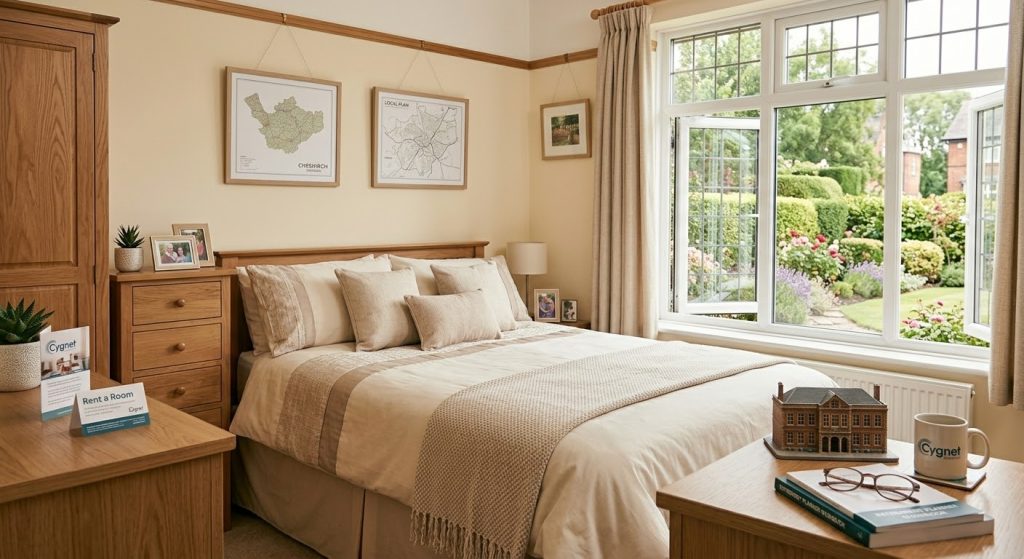
Renting a room in retirement could be one of the smartest financial moves you make with your home. The government’s Rent a Room scheme lets you earn up to £7,500 per year completely tax-free — and you choose whether to let daily, weekly or monthly to suit your lifestyle. As long as your home is suited and you’re comfortable sharing your space, it’s a straightforward way to give your pension a meaningful boost. Renting a room in your home will supplement your pension renting it daily, weekly, monthly or annually.
Table of Contents
What Is the Rent a Room Scheme?
The Rent a Room scheme is a government initiative that lets you earn rental income from a spare room in your home — and keep the first £7,500 of that income each tax year completely free of tax. Renting a room in retirement is one of the most practical ways to use this relief, with no complicated paperwork if you stay under the threshold.
The key rules are:
- The room must be furnished
- It must be in your only or main home — you must be living there too
- You can be an owner-occupier or a tenant (tenants need their landlord’s permission)
- If you jointly own the home, the £7,500 is split — each owner receives £3,750 tax-free
The person living with you is a lodger, not a tenant — an important distinction. A lodger has a ‘licence to occupy’ rather than a full tenancy, meaning you keep far greater control of your home. If things don’t work out, you can ask them to leave with reasonable notice — typically 28 days — without any court process.
If your rental income stays under £7,500, the relief is automatic. You don’t need to contact HMRC or do anything at all.
Daily, Weekly or Monthly — You Choose
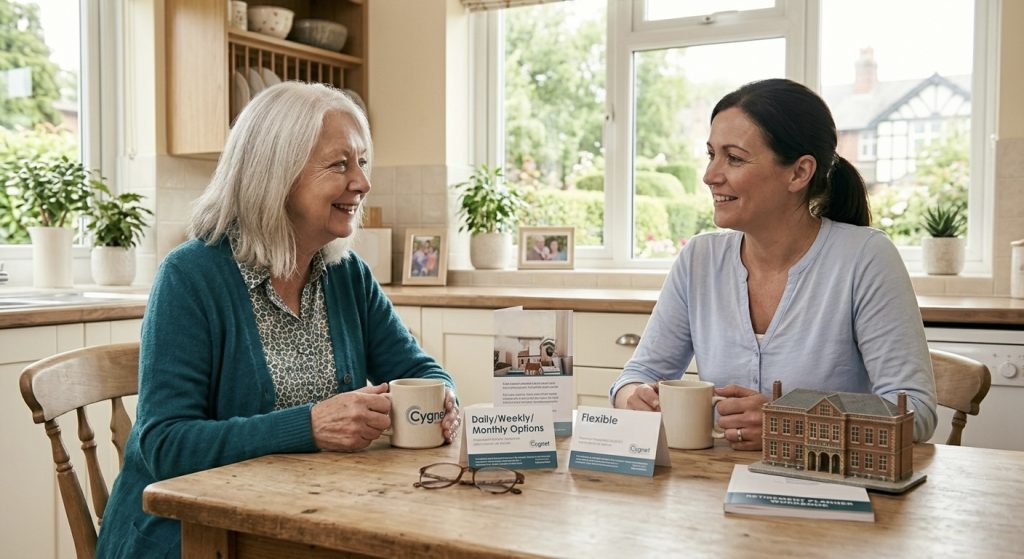
One of the great advantages of renting a room in retirement is the flexibility. You’re not locked into one arrangement — you can let in a way that suits your life:
- Daily lets — short-stay guests via platforms like Airbnb or SpareRoom. You must be living in the property at the same time for the Rent a Room scheme to apply. Perfect if you want income without a permanent commitment.
- Weekly lets — popular with contractors, students, or commuting professionals. Great for company during the week with your home to yourself at weekends.
- Monthly lets — a long-term lodger pays by standing order each month, giving you a stable, predictable income with minimal management.
You can mix approaches across the year. The £7,500 threshold applies to your total gross income from the room across the whole tax year, whatever combination you choose.
How Much Could You Earn?
Room rents across the UK typically range from £400 to £800 per month for a furnished room in a private home. In London and the South East, rates are often higher.
- £625 per month = £7,500 per year — exactly at the tax-free threshold
- £500 per month = £6,000 per year — fully tax-free, no action needed
- £145 per week = approximately £7,540 per year — just over, requiring a simple Self Assessment return
If you charge for extras such as meals, laundry or cleaning, that income also counts toward your £7,500 gross total — worth bearing in mind when setting your rent.
For a retiree on the full New State Pension (£11,973 in 2025/26), renting a room in retirement and earning an extra £6,000–£7,500 tax-free represents a substantial uplift — potentially 50–60% more income without paying a penny in tax.
The Tax Rules Made Simple
If your total rental income is under £7,500 for the tax year: you pay no tax, you don’t need to file anything, and you don’t need to contact HMRC. The relief is completely automatic. For full details visit gov.uk/rent-room-in-your-home.
If you earn over £7,500, you have two choices:
- Pay tax only on the amount above £7,500 (simpler — no expense tracking needed)
- Opt out and declare your actual profit — income minus allowable expenses (better if your costs are high)
You’ll need to notify HMRC by 5 October after the end of the tax year in which you exceeded the threshold. For most people renting a room in retirement, income stays well within the limit and no paperwork is required at all.
The Benefits of Renting a Room in Retirement
- Up to £7,500 a year completely tax-free — automatic if you stay under the threshold
- Flexible letting — daily, weekly or monthly to fit around your life
- Companionship — many retirees find a lodger reduces loneliness and brings welcome company
- Easy to end — 28 days’ notice is all it takes, no court process required
- A built-in house-sitter when you go on holiday
- Helps you stay in the home you love for longer by supplementing a stretched pension
Things Worth Knowing Before You Start
Renting a room in retirement works well for many people — but it’s worth going in with a clear picture:
- Means-tested benefits — if you receive Pension Credit or Housing Benefit, lodger income may reduce what you receive. Always check with the DWP or an adviser first.
- Council Tax single-person discount — you’ll lose the 25% single-person discount once a lodger moves in. That’s typically £200–£400 a year depending on your area.
- Home insurance — notify your insurer before your lodger moves in. Failing to do so could invalidate your policy.
- Mortgage or lease — most lenders are fine with a lodger, but check your terms. Leaseholders may need freeholder consent.
- Right to Rent check — in England you are legally required to check your lodger’s right to rent in the UK before they move in.
- Shared spaces — your lodger will use the kitchen, bathroom and hallway. Clear house rules and a written lodger agreement make this much easier. Free templates are available at citizensadvice.org.uk.
8 Steps Before You Take In a Lodger
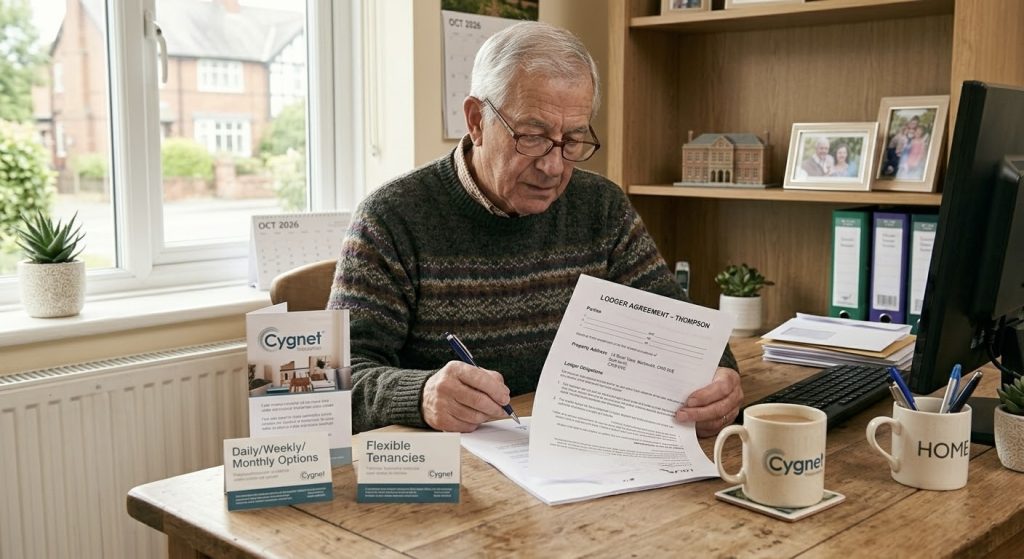
- Check your mortgage or lease for any restrictions
- Notify your home insurer in writing
- Carry out a Right to Rent check (England only) — see gov.uk for guidance
- Ask for references from a previous landlord or employer
- Draw up a written lodger agreement — free templates are available online
- Write an inventory of the room’s contents and take dated photographs
- Set up a standing order for rent payments
- If you receive means-tested benefits, get a better-off calculation first
Is Renting a Room in Retirement Right for You?
Renting a room in retirement works particularly well if you have a genuinely spare room, a home that’s practical for sharing, and you’d welcome the company as well as the income. It’s one of the most tax-efficient and low-hassle ways to supplement your pension — and you stay in control throughout.
It may suit you less if privacy is paramount or you’re on Pension Credit and the income impact would cancel out the gain. If you’re also thinking about longer-term housing options, our guide to care home fees covers what to expect and how costs are assessed. But for many retirees with a good-sized home and a spare room, renting a room in retirement is one of the simplest and most rewarding financial decisions they make.
Frequently Asked Questions
Does renting a room in retirement affect my State Pension?
No. The State Pension is not means-tested and is completely unaffected by any rental income you receive.
Does it affect Pension Credit?
Yes, it can. Pension Credit is means-tested, so lodger income counts toward your income assessment and could reduce what you receive. Read our guide to Pension Credit or visit moneyhelper.org.uk for guidance on how lodger income interacts with benefits.
Can pensioners rent privately?
Yes — there are no age restrictions on taking in a lodger. As a resident landlord you simply need to follow the standard Rent a Room scheme rules regardless of age.
Do I need to tell HMRC?
Only if your total room rental income exceeds £7,500 in a tax year. Below that, the relief is automatic and no action is needed.
Can I ask a lodger to leave?
Yes — and this is one of the key advantages of a lodger arrangement over a full tenancy. Give notice as set out in your lodger agreement, typically 28 days. No court order is required.
What if I want to let daily through Airbnb?
You can use short-let platforms and still benefit from the Rent a Room scheme, provided you are living in the property at the same time. You cannot use the scheme if you let the entire property while you’re away.
Do I lose my Council Tax discount?
Yes. If you currently receive the 25% single-person Council Tax discount, you will lose it when a lodger moves in. Factor this into your calculations — typically £200–£400 per year.
Is there anything else I should consider?
If you’re thinking about your broader financial picture in retirement, our guides to making a will in retirement and buy-to-let in retirement cover related areas worth reading alongside this one.
For full details of the Rent a Room scheme visit gov.uk/rent-room-in-your-home. For guidance on how lodger income affects benefits visit moneyhelper.org.uk. For lodger rights and agreements visit citizensadvice.org.uk.