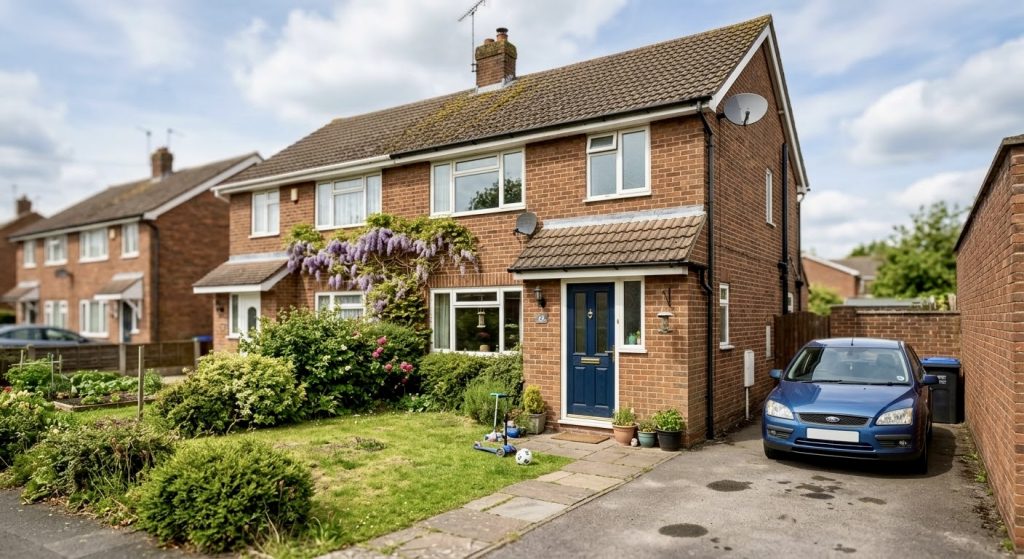

Care home fees are one of the biggest financial fears facing older people and their families in the UK today. The moment the subject comes up, most people immediately reach the same conclusion: I’ll have to sell my home.
It’s an understandable reaction. Your home is probably your most valuable asset, built up over decades. The idea that it could disappear to fund care feels deeply unfair — and the confusion is made worse by years of government promises about reform that never actually happened.
The truth is more nuanced than the headlines suggest. Understanding how care home fees actually work, and what protections genuinely exist, could make a very significant difference to you and your family.
In this guide, we cut through the confusion and give you the facts you need.
How Much Are Care Home Fees a Month?
Before worrying about your home, it helps to understand what care home fees actually look like in 2026.
Residential care homes — where you receive help with daily tasks such as washing, dressing and meals — currently cost around £1,300 per week on average. That works out at approximately £5,600 per month or £67,600 per year.
Nursing homes — providing round-the-clock clinical nursing care — cost more, typically around £1,600 per week, or roughly £6,900 per month.
These are UK averages. Costs vary significantly depending on location, with care in London and the South East considerably higher than in the North and Midlands.
Care home fees at this level come as a genuine shock to most families. It is easy to see why the family home quickly enters the conversation. But whether you actually need to sell depends entirely on your personal financial situation and how the means test is applied.
How Much Money Before Care Home Fees Apply?
The local authority carries out a financial assessment — known as a means test — to decide whether you qualify for any help with care home fees.
The key capital thresholds in England for 2026/27 are:
- Above £23,250: You are expected to fund your own care in full — you are classed as a self-funder
- Between £14,250 and £23,250: You pay a contribution; the council may top up the rest
- Below £14,250: The council meets the majority of your care home fees
These limits have not changed since April 2010. Capital includes your savings, investments, and — in most cases — the value of your home. Your income, including State Pension and any private pension, is also assessed.
Importantly, your home only counts in the means test when you move into permanent residential care. If you receive care at home, your property is always excluded from the financial assessment regardless of its value.
What About the £86,000 Care Cap?
You may have heard about a lifetime cap on care costs. In 2021, the government announced no one in England would ever have to pay more than £86,000 in personal care costs. Many families have been planning around this protection.
It does not exist. Those reforms were scrapped by Chancellor Rachel Reeves on 29 July 2024. There is no cap on care home fees in England. Outdated information still circulates widely online, causing families to plan based on a protection that was never introduced.

Are the First 12 Weeks in a Care Home Free?
Not exactly free — but there is a critical protection called the 12-week property disregard that every family needs to know about.
When you first move into permanent residential care, the local council must exclude the value of your home from the means test for the first 12 weeks. This gives you and your family breathing space to make decisions about your property without being pressured into an immediate sale.
During those 12 weeks, care home fees are still payable from your income and liquid savings — but the family home is protected. After 12 weeks, if you do not qualify for a Deferred Payment Agreement, the property value enters the financial assessment.
If your home would be exempt anyway because of who lives there (see below), the 12-week disregard may not even be needed.
Can I Refuse to Pay Care Home Fees?
You cannot refuse to pay care home fees if the means test shows you have the assets to cover them. However, there are several legitimate options that can prevent or delay the need to sell your home.
Deferred Payment Agreement
A Deferred Payment Agreement (DPA) is one of the most important and least publicised tools available. Under a DPA, the local authority pays your care home fees on your behalf, secured against your property as a loan. You — or your estate — repay it when the property is eventually sold.
To qualify for a DPA you generally need to:
- Be in permanent residential care
- Have savings and investments below £23,250, excluding your property
- Own a property not otherwise exempt from the means test
A DPA means you do not have to sell your home during your lifetime. Councils are legally required to offer it to eligible residents — but they do not always volunteer the information.
Rent Out Your Property
Rather than selling, some people choose to rent their home while in care. Rental income counts towards care home fees, but the property itself is retained. This works particularly well where rental income covers a significant proportion of the costs.
NHS Continuing Healthcare
If you have a primary health need, you may qualify for NHS Continuing Healthcare (CHC) — fully funded care arranged and paid for by the NHS, with no means test whatsoever. Around 60,000 people in England receive CHC at any given time, yet many families are never told it exists.
Eligibility is based on health need, not finances. Ask your GP or social worker for a CHC checklist assessment as early as possible.
When Is Your Home Exempt From Care Home Fees?
There are specific circumstances where your home will not be counted in the care home fees means test at all — even after the 12-week disregard ends.
Your home is exempt if any of the following people still live there:
- Your spouse or civil partner
- A close relative aged 60 or over
- A close relative who is incapacitated or registered disabled
- A child under 18 you are responsible for
The local authority also has discretion to disregard your home in other circumstances, though this varies considerably between councils.
If any of the above apply, your home stays completely outside the care home fees means test for as long as that person remains in residence. This is a critical point that many families miss entirely.
Can the Council Force You to Sell?
No. You cannot be forced to sell your home to pay for care. The council can include your property value in the financial assessment — but selling is never compulsory. The Deferred Payment Agreement route exists precisely to prevent a forced sale.
Be aware that deliberately transferring ownership of your home to avoid care home fees — known as deprivation of assets — is taken very seriously. If the council believes assets were transferred to reduce the means test assessment, they can treat you as still owning them.
Care Home Fees: What Should You Do Next?

The most important thing is not to panic — and not to make any decisions about your property without proper advice first.
- Request a care needs assessment from your local council under the Care Act 2014. It is free, statutory and the starting point for everything
- Ask for a financial assessment so you know exactly where you stand on the means test
- Ask specifically about a Deferred Payment Agreement if your home might be included in the assessment
- Ask for an NHS Continuing Healthcare checklist assessment — never assume your relative does not qualify
- Get independent financial advice from a specialist later-life adviser before any decisions about selling, renting or transferring property
For more on how the broader costs system works, read our guide: Care Home Costs UK 2026: Who Pays and Can They Take Your Home?.
If you are weighing up whether staying at home or moving to sheltered housing might be a better option first, see: Sheltered Housing vs Care Home Costs: What Nobody Tells You.
And if you are thinking about what to do with your home as you get older: Thinking of Downsizing Your Home? The Retirement Trap Nobody Warns You About.
Care Home Fees: Frequently Asked Questions
Are the first 12 weeks in a care home free?
Not exactly free, but your home is protected during this period. When you first move into permanent residential care, the local council must exclude your property from the financial assessment for the first 12 weeks. You still pay care home fees from your income and savings during this time — but the family home cannot be counted. This gives you and your family breathing space to make decisions without being pressured into an immediate sale.
How much are care home fees a month?
Residential care home fees average around £1,300 per week in 2026 — approximately £5,600 per month or £67,600 per year. Nursing home fees are higher, averaging around £1,600 per week or roughly £6,900 per month. These are UK averages and costs vary significantly depending on where you live, with care in London and the South East considerably more expensive than in the North and Midlands.
How much money before care home fees apply?
In England the upper capital threshold is £23,250 for 2026/27. If your total capital — including savings, investments and in most cases the value of your property — exceeds this amount, you are expected to fund your own care in full and are classed as a self-funder. Below £23,250 the council may contribute towards your care home fees. These thresholds have not changed since April 2010.
Can I refuse to pay care home fees?
You cannot simply refuse to pay care home fees if the means test shows you have the assets to cover them. However, you can never be forced to sell your home. A Deferred Payment Agreement allows the local council to fund your care as a loan secured against your property, which is repaid when the property is eventually sold — either during your lifetime or after you pass away. Ask your council specifically about this option as they do not always volunteer the information.
The Bottom Line on Care Home Fees and Your Home
Care home fees are expensive and the system is genuinely complicated. But the fear that you will automatically have to sell your home is not always justified.
Your home may be exempt from the means test entirely. You may qualify for a Deferred Payment Agreement. You may be entitled to NHS Continuing Healthcare. Each of these routes could protect your property — or at least give you far more time and control than you might expect.
The key is to get the right advice early, understand your options, and not make rushed decisions under financial pressure.
For official guidance see the MoneyHelper care funding guide and Age UK’s care home fees advice — both are free, independent and excellent.
Paying for residential care is complicated and difficult to navigate without the right advice.
Disclaimer: This article is for general information only and does not constitute financial or legal advice. Care funding rules can vary and individual circumstances differ. Always seek independent advice before making decisions about care funding or property.
© 2026 Honest Pensioner | honestpensioner.com