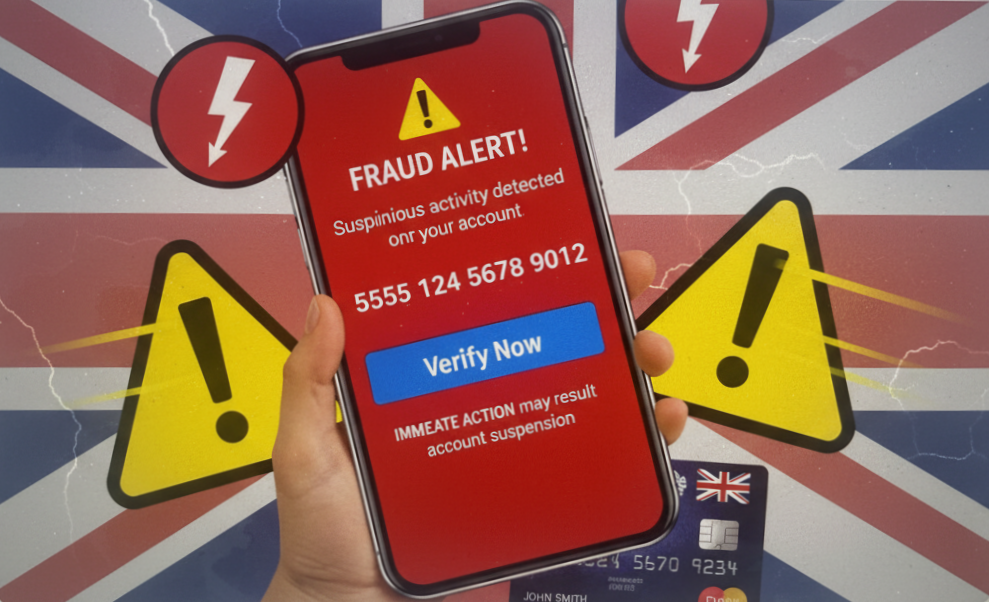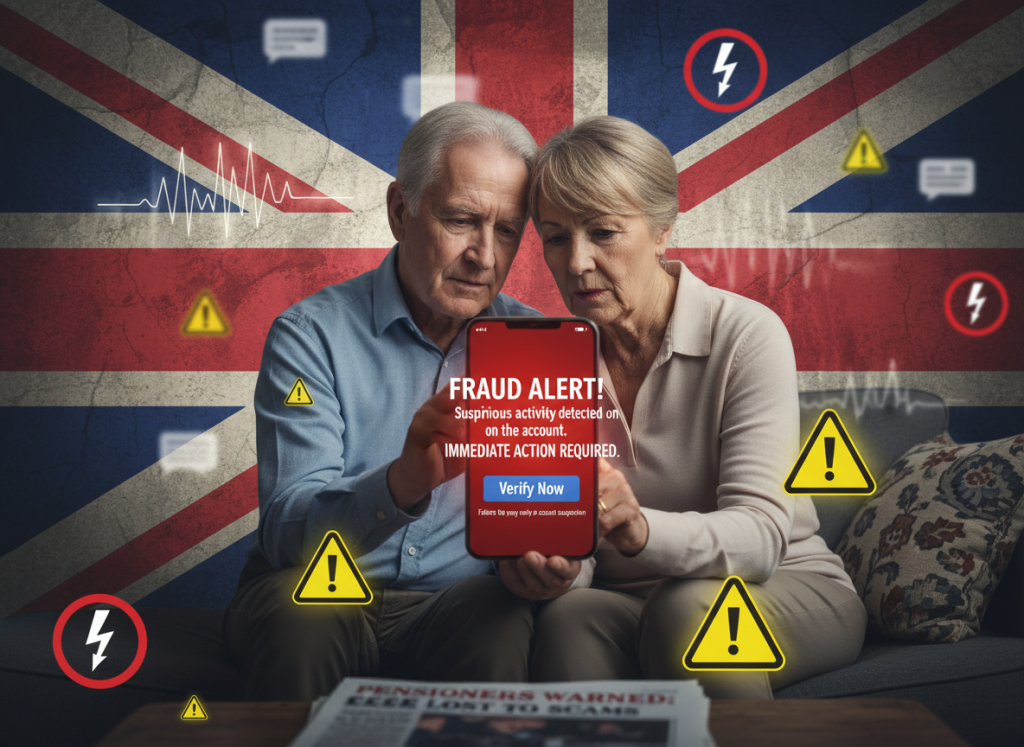

If you’ve had a call from someone claiming to be a detective at a London police station — telling you your bank card has been cloned, or that they need your help with an ongoing investigation — you’re not imagining things, and you’re certainly not alone. It’s one of the most persistent scams targeting people over 55 in the UK today, and it has a name: courier fraud.
It’s a scam built entirely on borrowed authority. The caller isn’t trying to trick you with a clever website or a fake prize draw — they’re relying on the simple fact that most of us don’t argue with the police. This guide walks through exactly how the scam works, why it’s so effective, and what to do the moment you suspect you’re on the phone to one.
Table of Contents
What Is Courier Fraud?
Courier fraud starts with an unexpected phone call from someone posing as a police officer or bank official. Whatever the opening line, the call is designed to convince you that you’re helping catch a criminal, not that you’re about to become a victim of one.
How the Call Usually Starts
The caller often already has a few personal details — your name, your address, sometimes even your bank. This isn’t because they’ve hacked anything sophisticated; it’s usually pulled from data breaches, marketing lists, or social media, and it’s enough to make the call feel credible from the first sentence. They’ll introduce themselves with a rank and a station, sometimes naming a real unit to sound authentic, and get straight into the story.
The Cloned Bank Card Story
The most common version: the caller says they’ve arrested someone in possession of a cloned copy of your bank card, and they need your help to catch the people behind it. You’re told your money isn’t safe where it is and you need to withdraw it, or transfer it to a ‘secure’ account they control, so it can be protected during the investigation.
The Counterfeit Cash Story
A second version involves your local bank branch or shop supposedly passing out counterfeit banknotes. You’re asked to withdraw cash and hand it to an ‘undercover officer’ so it can be tested and traced, with a promise that genuine notes will be swapped back in once the investigation concludes.
The Fake Goods Story
The third common script targets valuables rather than cash. You’re told a local jeweller or shop is selling counterfeit watches, jewellery or gold, and asked to buy an item yourself so it can be examined as evidence. Whatever you hand over, in every version, is gone the moment it leaves your hands.
Why It Catches People Out
- The caller may already know your name and address, which makes the call feel genuine from the outset
- Most of us are conditioned not to question the police, so the request feels like a duty rather than a demand
- The story always includes a reason it must happen immediately, leaving no time to check with anyone
- You’re told to keep it secret because it’s an ‘ongoing investigation’ — which conveniently stops you mentioning it to family who might spot the scam straight away
The ‘Open Phone’ Trick Explained
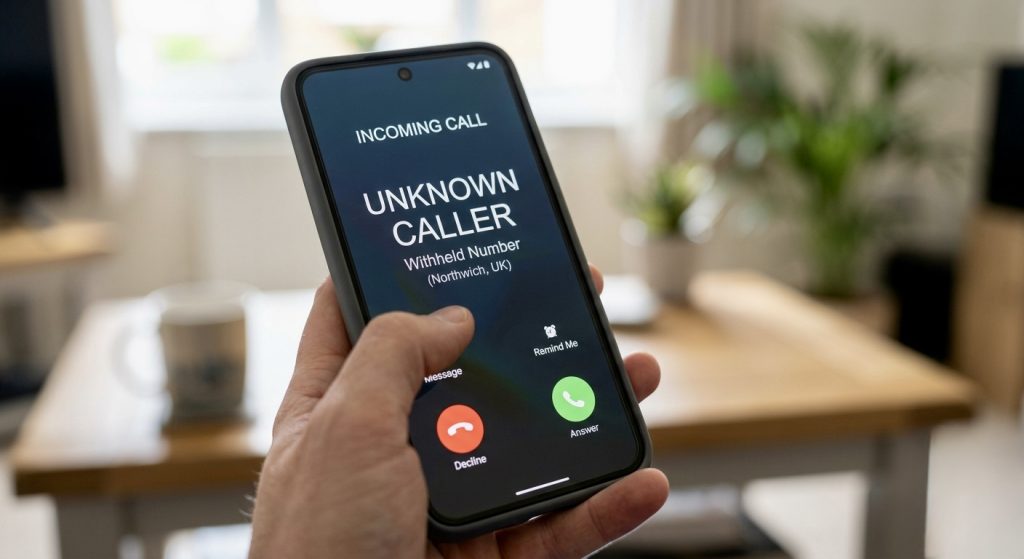
One of the most effective tools in this scam is what fraud investigators call the ‘open phone’ trick. Once you’ve agreed to help, the caller insists on staying on the line the entire time you go to the bank, withdraw cash, or visit a shop. They may even tell you it’s standard procedure, so the investigation can ‘stay live.’
In reality, this keeps you isolated. You can’t call a family member to ask if it sounds right, you can’t Google the situation, and you don’t get a quiet moment to notice something’s off. Some victims have even been coached, while still on the phone, on exactly what to say to bank staff if they’re asked why they’re withdrawing a large sum — which is itself a red flag banks are trained to look out for.
It’s Happening Right Now
This isn’t old news. City of London Police issued a fresh alert in June warning that scammers are using spoofed phone numbers to run exactly this trick, often posing as officers from a London-based force to add extra weight to the call.
A Case from Devon and Cornwall
Devon & Cornwall Police recently investigated a case in which a caller claiming to be a London police officer told an elderly victim that someone had been arrested with a cloned copy of their bank card. The victim was persuaded to hand over more than £25,000 before the fraud was discovered.
Warnings from Bedfordshire and Nottinghamshire
Similar patterns have been logged elsewhere. Bedfordshire Police has warned residents about scammers posing as police investigating fraud cases, in some instances sending a fake ‘courier’ or officer to the victim’s home to collect cash or valuables in person. Nottinghamshire Police has reported its own recent spate of calls, with officers noting that victims are told not to withdraw money or share PINs under any circumstances if a call like this comes in.
“If you receive a phone call out of the blue from an organisation like us in the police service or your bank, always make sure you know who you are talking to. Hang up and call us back on a phone number that you can find on our official websites.” — Detective Superintendent Anna Rice, City of London Police
Who Scammers Target and Why
Courier fraud disproportionately targets older adults, and it isn’t a coincidence. People aged 65 and over are statistically more likely to own their home outright, hold settled savings, and still use a landline — all of which make a household look, from a scammer’s spreadsheet, like a worthwhile call to make. Living alone can also make someone an easier target, since there’s no one else in the room to ask ‘does this sound right to you?’ before money changes hands.
None of this is about being gullible. These calls are scripted by people who make a living doing this, and they are deliberately built to bypass scepticism rather than argue with it.
Five Signs It’s a Scam
- You’re asked to withdraw cash or move money into a ‘safe’ account
- You’re asked to buy gold, watches or other high-value goods for an officer to ‘examine’
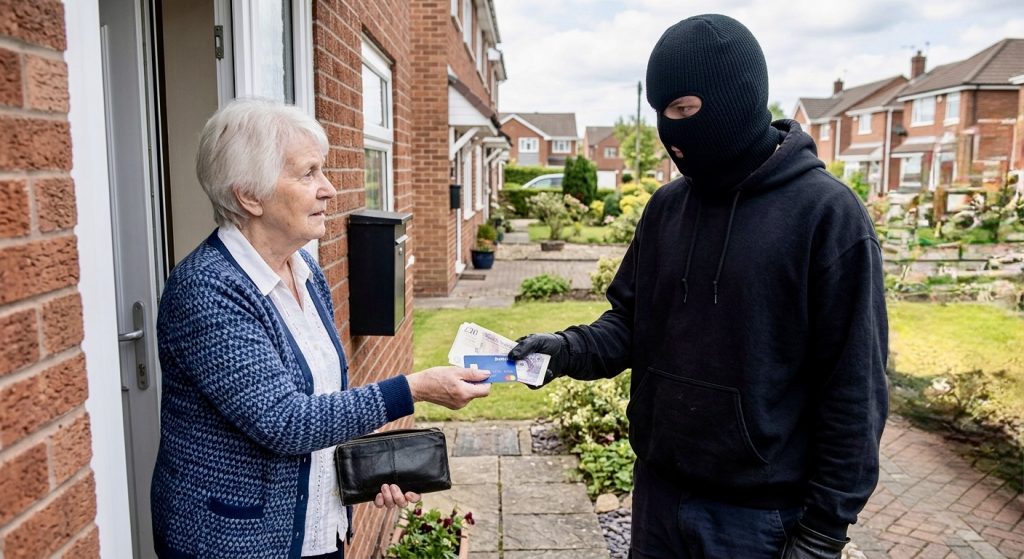
- You’re asked to hand cash, your card or your PIN to a courier or officer who calls at your door
- You’re told to keep the call secret because it’s part of an active investigation
- The caller insists on staying on the line while you go to the bank or a shop
Genuine police officers and bank staff will never ask you to do any of these things. Not once, not ever.
What to Do If You Get One of These Calls
During the Call
- Stay calm and don’t feel rushed — a genuine investigation will never depend on you acting in the next ten minutes
- Don’t confirm any personal or financial details, even if the caller already seems to know some of them
- Hang up. You don’t owe a cold caller the benefit of the doubt
After You Hang Up
- Never call back on a number the caller gives you — look up the organisation’s number yourself, from a bill, card, or official website
- Wait at least five minutes before calling back, or use a different phone if you can — some scammers keep the line open on their end even after you’ve hung up, so it can sound like you’re through to the real organisation when you’re not
- Report it to Action Fraud on 0300 123 2040 or online, and forward suspicious texts to 7726
If You’ve Already Been Caught Out
If you’ve handed over money, a card, or valuables, there’s no shame in it — these scams are run by professional criminals who rehearse exactly what to say and how to keep you calm. The most important thing now is speed.
- Contact your bank immediately using the number on your card or a recent statement — not any number given to you during the call
- Freeze any affected cards through your banking app if you’re able to
- Report the incident to Action Fraud straight away, either by phone or online
- Let a family member know, so they can help you keep an eye on your accounts in the days that follow
You may also want to read our wider guide to spotting scams before they happen, which covers the warning signs shared across most fraud aimed at over-55s.
Frequently Asked Questions
What is courier fraud?
Courier fraud is a scam in which someone posing as a police officer or bank official convinces you to withdraw cash, buy valuables, or hand over your bank card, which is then collected in person by a ‘courier’ working with the scammer.
Will the police ever ask me to withdraw cash for an investigation?
No. Genuine police officers will never ask you to withdraw money, buy goods, transfer funds, or hand your card and PIN to anyone who calls at your door. Any call asking you to do this is a scam, regardless of how convincing it sounds.
How do I report courier fraud?
You can report it to Action Fraud on 0300 123 2040, or via their website. Suspicious texts can be forwarded free of charge to 7726.
Can I get my money back after courier fraud?
It depends on how the money left your account and how quickly it’s reported. Contacting your bank immediately gives the best chance of freezing or recovering funds, but cash and goods handed to a courier in person are very rarely recovered.
Who is most at risk from courier fraud?
People aged 65 and over are the most frequently targeted group, particularly those living alone, though the scam has caught out people of all ages and backgrounds.
What is the ‘open phone’ trick?
It’s a tactic where the scammer insists on staying on the line while you withdraw cash or visit a shop, so you don’t get a chance to call anyone else or think the situation through before handing money over.
Related Reading
- Spotting Identity Fraud Before It Happens
- How Romance Fraud Really Works
- Land Registry Fraud: Protecting Your Home
- AI Scams: The New Voice on the Phone
- Parcel Delivery Scams Explained
- Our full Scams & Fraud hub
The Bigger Picture
Courier fraud rarely happens in isolation. Once a scammer has successfully taken money from someone, that person’s details are often shared or sold on to other criminal networks, which is why victims of one scam frequently report being targeted again within weeks or months by a completely different fraud. This is part of why reporting matters even when the money can’t be recovered — every report to Action Fraud feeds into a wider intelligence picture that police forces use to identify patterns, spoofed numbers, and organised groups behind these calls.
It’s also worth remembering that banks are increasingly trained to spot the signs of courier fraud at the counter — unusually large cash withdrawals, customers who seem anxious or distracted, or anyone who mentions being on the phone to ‘the police’ during a transaction. Staff asking extra questions before a large withdrawal aren’t being unhelpful; they may be the last line of defence before money leaves your account for good. If a cashier asks why you’re withdrawing a large sum, it’s always worth pausing to consider whether someone on the phone told you what to say.
Spread the Word
Courier fraud relies on catching people off guard, which is exactly why it keeps working. If you know someone who might get a call like this — a parent, a neighbour, a friend living alone — a two-minute conversation now could save them a five-figure loss later. Share this article, or simply mention it next time the subject of scam calls comes up.