

If your fixed-rate mortgage deal has recently ended, you might already be feeling the pinch. Rolling onto your lender’s standard variable rate can add hundreds of pounds to your monthly payments overnight — and if you’re now retired, or close to it, that extra cost lands at exactly the wrong time.
The good news is that a remortgage in retirement is possible for a great many homeowners. Lenders haven’t shut the door on older borrowers — but they do ask a different set of questions to the ones you’d have faced in your thirties or forties. Instead of focusing purely on salary, they’ll want to understand your age, your pension income, and how long you actually need the loan for.
Knowing what’s coming can make all the difference. Below are the seven questions UK lenders typically ask when you remortgage in retirement, along with what counts in your favour — and when you might need a specialist lender rather than a high street name.
1. How old will you be when the mortgage ends?
Age is usually the first thing a lender looks at — not how old you are now, but how old you’ll be at the end of the mortgage term. Most high street banks want the loan repaid by the time you turn 70 or 75. If that doesn’t leave you enough time to remortgage on sensible terms, don’t panic.
A growing number of building societies and specialist lenders will lend up to age 80, 85, or even with no fixed upper age limit at all, provided you can show the mortgage is affordable. The trade-off is usually a shorter list of available deals, so this is one area where speaking to a broker who covers the whole market — not just the big names — really pays off when you remortgage in retirement.
2. What income will you have in retirement?
This is where remortgaging in retirement differs most from a standard application. Lenders will want to see proof of the income you’ll actually be living on, not what you used to earn.
In practice, this means that anyone planning to remortgage in retirement should gather their pension paperwork together before they even start comparing deals.
The State Pension, workplace or company pensions, and annuity income are all widely accepted, and lenders generally view them favourably because they’re stable and guaranteed for life.
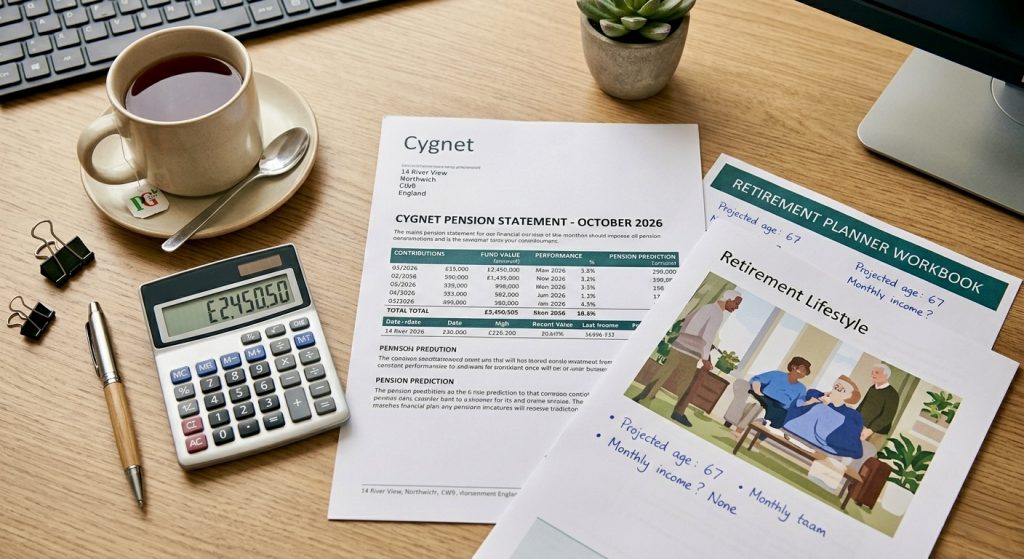
Income from a Self-Invested Personal Pension (SIPP) or pension drawdown is treated more cautiously, because the amount can vary from year to year. Some mainstream lenders won’t count it at all, while specialist lenders are often happy to, provided you can show a consistent withdrawal pattern. MoneyHelper’s free pension guidance service is a good starting point if you want an independent view of your retirement income before you apply.
3. How much equity do you have in your home?
The more of your home you own outright, the more options you’ll have. Lenders express this as ‘loan to value’, or LTV — the percentage of your property’s value that’s covered by the mortgage.
A lower LTV (say, 50% or less) tends to open the door to better rates and a wider choice of lenders, because the loan is seen as lower risk. It can also give you room to release some equity as part of the remortgage — whether that’s to clear the existing balance with money left over, fund home improvements, or plan ahead for care costs. The more equity you hold, the easier it generally is to remortgage in retirement on competitive terms.
4. What does your credit history look like?
Your credit history matters just as much in retirement as it ever did — sometimes more, because lenders are already weighing up other factors like age and income type. Before you apply, it’s worth checking your credit report for free via MoneyHelper and looking carefully for errors, old accounts that should have been closed, or missed payments that need explaining.
Clearing small outstanding balances and avoiding new credit applications in the months before you remortgage can also help. A clean credit file won’t guarantee approval on its own, but a messy one can rule out lenders who’d otherwise have said yes.
5. Is your property a standard type and construction?
Most mortgages are designed around standard brick-built houses and flats. If your home is a listed building, has a thatched roof, is built from timber frame or non-standard materials, or has had significant alterations, some lenders will be more cautious — particularly when your age and retirement income are already part of the conversation.
This doesn’t mean you can’t remortgage; it just narrows the field to lenders who are comfortable with that type of property. Again, this is where a broker’s knowledge of niche and specialist lenders can open up options a quick online search won’t show you.
6. How long a mortgage term do you actually need?
It’s tempting to assume you need the longest term possible to keep payments low, but a shorter term can sometimes open up more lender choice. If you only need, say, ten to fifteen years rather than twenty-five, you may fit comfortably within a high street lender’s age limit without needing a specialist product at all.
On the other hand, if a shorter term would push your monthly payments too high to be affordable, an interest-only arrangement — where the loan is repaid from the eventual sale of the property — may be worth discussing with an adviser, alongside the standard repayment options. Getting the term right is often the single biggest factor in whether you can remortgage in retirement on a deal that’s genuinely affordable.
7. What’s the money actually for?
Lenders will usually ask why you’re remortgaging, and the answer shapes which options suit you best. Simply switching from an expensive standard variable rate to a better deal is the most common reason, and the most straightforward to arrange.
If you’re releasing equity to fund home adaptations — see our guide to the Disabled Facilities Grant — or to help cover care home fees for yourself or a partner, it’s worth thinking ahead about how this affects your wider finances and any plans for your property in your will.
And if you’re remortgaging jointly with a partner you’re not married to, it’s especially important to understand where you both stand legally if one of you were to pass away — a remortgage is a good moment to review this alongside your wills.
What if you don’t meet a lender’s criteria?

If a standard remortgage isn’t available to you, the wider world of retirement and later life mortgages has grown considerably in recent years, with several specialist products designed for exactly this stage of life.
Not everyone will meet a lender’s criteria for a standard remortgage — and that’s not the end of the road. A retirement interest only mortgage, where you pay just the interest each month and the loan is repaid when the property is eventually sold, is designed specifically for this stage of life. MoneyHelper’s free guide to retirement interest-only mortgages explains how these compare with other later-life options.
Equity release is another route some homeowners consider if they can’t remortgage in retirement through a standard lender. It can free up cash without monthly repayments, but the interest typically rolls up and compounds over time, which can significantly reduce the value left in your estate — and it may affect your entitlement to means-tested benefits.
Downsizing — selling up and moving to a smaller or cheaper property — is also worth weighing up, especially if your current home is larger than you need. It can clear your mortgage entirely and release a lump sum, though it comes with its own costs and the upheaval of moving.
Always take professional advice first
Whichever direction you’re leaning — a standard remortgage in retirement, a retirement interest-only mortgage, equity release, or downsizing — these are significant financial decisions that can affect your income, your benefits, and what you leave behind. Before proceeding with any of them, speak to a qualified, FCA-regulated financial or mortgage adviser who can look at your full circumstances. MoneyHelper’s free pension guidance service or Citizens Advice are both good starting points if you’re not sure where to begin.
Frequently asked questions
Can I remortgage my house if I am retired?
Yes. Being retired doesn’t rule you out, but lenders will assess affordability based on your pension income rather than a salary. The State Pension, workplace pensions and annuities are usually accepted, and remortgaging when retired has become increasingly common, with a growing number of lenders who specialise in this area.
At what age should you no longer have a mortgage?
There’s no set age by which you must be mortgage-free — it’s entirely personal. Some people prioritise clearing their mortgage before retirement to reduce outgoings, while others are comfortable carrying a smaller mortgage into later life, particularly with a retirement interest-only product where only the interest is repaid monthly.
Can a 70 year old get a 10 year mortgage?
In many cases, yes. A 10-year term taking you to age 80 falls within the lending criteria of a number of building societies and specialist lenders, even where high street banks might decline. Affordability based on pension income, the property’s loan-to-value, and your credit history will all be taken into account.
What if I can’t get a remortgage in retirement?
If a standard remortgage isn’t available to you, a retirement interest-only mortgage, equity release, or downsizing may be worth exploring — each with its own pros, cons, and impact on your estate and benefits. Speaking to an FCA-regulated adviser before deciding is strongly recommended.
The bottom line
Coming to the end of a fixed-rate deal can feel like the rug’s been pulled out from under you, but a remortgage in retirement is more achievable than many people expect. The key is going in prepared — knowing your numbers, gathering proof of your pension income, and being open to lenders beyond the household names.
And if a standard remortgage isn’t the right fit, downsizing, a retirement interest-only mortgage, or equity release may be — but take advice before you commit to any of them. It’s a conversation worth having before you settle for your lender’s standard variable rate by default.