
Buying a park home or static lodge is one of the most emotionally compelling decisions a pensioner can make. The brochures are beautiful, the show homes are immaculate, and the lifestyle — fresh air, friendly neighbours, countryside or coastal views — is genuinely appealing. But buying a park home is not the same as buying a house, and the financial reality is something the sales team will rarely volunteer. You are not buying an asset that grows in value. A park home does the opposite — and by the time most buyers discover that, it is too late.
This is the honest guide to buying a park home in the UK. It sets out 11 financial truths you must understand before you sign anything — so you can make a clear decision rather than an emotional one.
Truth 1: It Depreciates Like a Car — Not a House
Unlike bricks and mortar property, buying a park home means purchasing something that loses value from the moment you sign. Industry experts describe the depreciation as similar to buying a new car — around 20% in the first year alone, and potentially 40% within three years.
Some owners have discovered they can only recover as little as 10% of their original purchase price when they come to sell — a catastrophic loss for anyone who used their life savings or equity released from a former property.
| ⚠️ Key Warning — What The Telegraph Found A consumer claims expert speaking to The Telegraph (May 2025) reported that a holiday lodge typically loses around 20% of its value in year one alone — and up to 40% within just three years. Like a car, the losses are hardest and fastest right at the start. One anonymous lodge owner told The Telegraph that when he tried to sell, the park operator offered him just 20% of his original purchase price. That is not an investment — it is a guaranteed, accelerating loss. |
In the most extreme cases, owners have reported receiving as little as 10% of their original purchase price when forced to sell — a catastrophic loss for anyone who invested their life savings or equity released from a former home.
Truth 2
: You Never Own the Land — Only a Licence
When buying a park home, you own the structure itself — but not the ground it sits on. The land remains owned by the park operator, and you pay a pitch fee for the right to keep your home there. This licence arrangement fundamentally changes your legal position.
Unlike a freehold or leasehold property, your home cannot be registered with the UK Land Registry. This means you cannot get a standard mortgage, you have far fewer legal protections than a conventional homeowner, and the park operator retains significant control over your situation.
Truth 3: The Hidden Age Replacement Clause in the Small Print
This is the truth most likely to shock people considering buying a park home — and the one least likely to be mentioned at the point of sale.
Buried deep within most holiday park licence agreements is what is known as the 15, 20 or 25-Year Rule. This clause gives the park operator the legal right to force you to remove or replace your lodge or static caravan once it reaches a set age — even if it is in perfect condition, fully maintained and has years of functional life remaining.
In most cases, you receive nothing in return. After paying tens of thousands of pounds for your park home, years of pitch fees, insurance and maintenance — the park can simply inform you that your licence has expired and require you to vacate. Or, more commonly, to buy a brand-new lodge from the same operator at today’s inflated prices.
| ⚠️ Key Warning — The Countdown You Did Not Know Had Started Your lodge may be perfectly habitable — but if the park contract includes an age restriction clause, the operator can compel you to replace it or leave once it reaches a set age. This can be as little as 15 years from purchase. Some owners only discover this clause when they try to sell — or when the park serves notice. Legal specialists are increasingly reviewing these clauses under the Consumer Rights Act 2015. If you believe you were not clearly told about this clause before purchase, seek independent legal advice. |
Truth 4: The Maintenance Rules Are Stricter Than You Think — And Can Be Used Against You
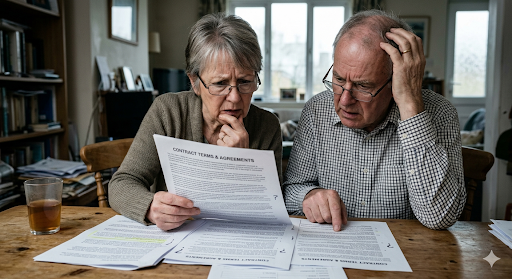
When you sign a pitch agreement, you take on a legal obligation to keep your lodge in a condition that meets the park’s standards. On the surface, that sounds perfectly reasonable. In practice, those standards are often defined in vague, subjective language — and that vagueness is not always accidental.
Under the terms of most pitch agreements, you must keep your park home in a sound state of repair and maintain the outside of the home and pitch in a clean and tidy condition. The park can ask you to provide written documentary evidence of maintenance costs. So far, so fair.
The problem arises when “satisfactory condition” becomes a judgement call made by the park operator — not an independent assessor. Consumer watchdogs and legal specialists have documented cases where parks have used vague maintenance clauses to pressure owners into either upgrading to a newer, more expensive lodge or selling their unit back to the park at a fraction of its value.
| ⚠️ Key Warning — A Rule That Can Work Against You Many parks have rules about lodges being maintained to a standard that is never precisely defined. This rule can be — and has been — used to pressure an owner into upgrading or selling, regardless of how well maintained the lodge actually is. The holiday park industry has no overriding regulatory body, which means purchasers are largely at the mercy of the park operator’s interpretation. |
Truth 5: Site Fees Rise Every Year — With Very Little You Can Do
Every person buying a park home must pay an annual pitch fee — the charge for keeping your home on the site. These fees currently range from around £2,000 to over £10,000 per year depending on location and facilities, and site owners are permitted to increase them annually.
There have been cases where pitch fees more than doubled within two years of purchase. While site owners must give written notice of increases and residents can appeal, in practice many owners on fixed pension incomes find themselves caught in a rising cost spiral they cannot escape without selling — which, as we have seen, comes with its own financial penalties.
Truth 6: You Cannot Get a Standard Mortgage
Because the land is not registered with the Land Registry, conventional mortgage lenders will not lend against a park home. This has two serious consequences for anyone buying a park home.
First, you must either buy outright with cash — usually from the proceeds of selling a bricks-and-mortar home — or use a specialist park home loan at rates considerably higher than a standard mortgage. Second, and more critically, if you later need to release money from your park home, standard equity release products are not available to you.
This means that anyone who converts their main residence equity into a park home may find themselves financially trapped, with no conventional route back into the property market if their circumstances change.
Truth 7: Selling Is Harder Than They Tell You
Many people buying a park home assume that selling, if needed, will be straightforward. The reality is more complicated. In many licence agreements, the park operator has the right to approve — or block — any sale. Some agreements restrict sales to park-approved buyers only, eliminating any open-market competition that might help you achieve a fair price.
Additionally, under the Mobile Homes Act 2013, residential park home operators are entitled to charge a 10% commission on every sale — a significant deduction from an already depreciated asset. Holiday lodge agreements may have even fewer protections.
| 💡 Important distinction There are two types of park home — residential and holiday. Residential park homes on ‘protected sites’ have more legal protection under the Mobile Homes Act 1983. Holiday lodges and static caravans typically have far fewer rights. Make sure you know which type you are buying before you sign anything. |
Truth 8: The Lifestyle Costs Are Higher Than the Brochure Suggests
Beyond the pitch fee, buying a park home brings a range of ongoing costs that are easy to underestimate. Insurance for a park home is a specialist product that costs more than standard home insurance. Maintenance and repairs can be expensive, particularly as the structure ages. Utility connections — electricity, water and gas — are often metered through the park at higher rates than a standard domestic tariff.
Many holiday parks also have seasonal closure periods, meaning you cannot occupy the property year-round. If you had planned to rent the lodge to generate income, most park operators either prohibit private rentals entirely or require you to rent exclusively through their own agency — taking a significant commission in the process.
Truth 9: It Could Trap You Out of the Property Market Permanently
For many pensioners, buying a park home involves selling a bricks-and-mortar property and using the equity to fund the purchase. This can seem financially liberating in the short term — lower costs, money in the bank, a beautiful new lifestyle.
But if the park home depreciates heavily, if you are forced to replace it under an age clause, if site fees become unmanageable, or if your health requires you to move to more appropriate accommodation — you may find you no longer have sufficient capital to re-enter the property market. The equity from your original home has been consumed by a depreciating asset, and the route back is closed.
| ⚠️ The trap explained simply Sell a £300,000 house → buy a £200,000 lodge → lodge worth £40,000 in 10 years → you cannot afford to buy back into the property market. This is not a hypothetical scenario. It is happening to pensioners across the UK right now. |
Truth 10: The Sales Process Is Designed to Bypass Your Financial Caution
Holiday park sales operations are sophisticated and highly effective. The show home visit, the lifestyle presentation, the friendly team, the sense of community — all of it is designed to create emotional momentum that overcomes financial caution. Regulatory bodies have called for park operators to be legally required to disclose projected depreciation at the point of sale — a telling indicator of how often this information is currently withheld.
This complete guide to buying a park home exists precisely because that disclosure so rarely happens voluntarily. Before signing anything, obtain independent legal advice from a solicitor experienced in park home contracts, and take the Written Statement or Licence Agreement away to read thoroughly — not in the show home with a sales consultant waiting.
Truth 11: Thousands of People Are Already Taking Legal Action — And You May Have Options Too
If you have already bought a park home or holiday lodge and feel that what you were told at the point of sale does not match the reality you are now living, you are far from alone.
The Holiday Park Action Group is currently coordinating a group legal action involving nearly 2,000 claimants. Many report having lost their life savings. The action focuses on two main allegations: that pitch fees were raised in ways that were unfair and legally unenforceable, and that buyers were not adequately informed about depreciation before they signed.
Sally Nicholls, aged 70, purchased a holiday lodge at Tattershall Lakes Country Park in 2020 for £69,000, hoping to generate rental income to support her retirement. Her pitch fees rose from £4,800 to nearly £7,000 within three years. When she finally sold, she received just £15,000 — less than a quarter of what she paid.
Legal claims in this area are most commonly brought under the Misrepresentation Act 1967 — which covers false statements made before a contract is signed — and the Consumer Rights Act 2015, which protects consumers from unfair contract terms. A growing number of solicitors now handle these cases on a no win, no fee basis.
| ⚖️ If You Have Already Bought If you believe you were misled at the point of sale — about depreciation rates, potential rental income, pitch fee increases, the age replacement clause, or resale restrictions — you may have grounds for a legal claim. Seek independent legal advice before approaching the park directly. A number of solicitors now offer a free initial assessment with no obligation to proceed. |
Related Reading on Honest Pensioner
- Thinking of Downsizing Your Home? Read This First
- Equity Release: What Every Pensioner Needs to Know Before They Sign
- Power of Attorney: What Every Pensioner Needs to Know
- 6 Pension Scams Targeting Pensioners Right Now
- Gaps in Your National Insurance Record — 6 Things You Must Know
Your Questions Answered
Is it a good idea to buy a residential park home?
For the right person, yes — but it depends entirely on your circumstances. Park homes can offer a lower purchase price than a traditional property, a close-knit community, and a quieter pace of life. However, they depreciate in value rather than appreciate, you never own the land, and pitch fees apply for life. Go in with eyes open and it can be a genuinely rewarding choice in retirement.
What is the lifespan of a park home?
A modern, well-maintained park home typically lasts 70 to 80 years, and some older models have exceeded that. Build quality has improved significantly in recent decades, with many now meeting the same insulation and energy efficiency standards as traditional housing. Regular maintenance — roof, skirting, and chassis checks — is the key to longevity.
What are the disadvantages of a park home?
The main drawbacks are financial. Park homes depreciate over time, meaning you are unlikely to sell for more than you paid. You pay pitch fees to the site owner — typically £150 to £300 per month — which rise annually. You cannot get a standard mortgage, so you need cash or specialist finance. And if the site closes, your security of tenure, while protected by the Mobile Homes Act 1983, can still be stressful to enforce.
Can I live permanently in a park home?
Yes, provided the site has a residential licence rather than a holiday licence. Residential park homes are designed for year-round occupation and are a legal permanent address. You can register to vote, receive post, and access all local services just as you would in a traditional home. Always check the site licence before purchasing — a holiday park cannot legally be your main residence.
Is buying a park home ever a good financial decision?
It can be — but only if you treat it as a lifestyle purchase, not an investment. If you have sufficient savings or pension income that you do not need to preserve your capital, and you understand and accept all the financial risks involved, a park home can offer a pleasant retirement lifestyle. The danger arises when people buy a park home expecting it to behave like a property asset.
What should I check before buying a park home?
Before buying a park home, check: the age replacement clause and maximum permitted age of the structure; the current and projected pitch fees; restrictions on selling, subletting and renting; whether the site licence permits residential or holiday use only; and whether the park home meets BS 3632 (residential) or BS EN 1647 (holiday) standards. Always take the Written Statement to an independent solicitor before signing.
| 📺 Real World Warning — This Is Now National News The scale of losses in the holiday lodge industry has caught the attention of national broadcasters. Both BBC Panorama and ITV’s Tonight Programme have produced dedicated episodes investigating how park homes are sold and what happens when things go wrong. The Telegraph reported the story of one lodge owner who purchased his home for around £140,000 in 2022. Within two years, his site fees had more than doubled. Despite a salesperson suggesting he could earn tens of thousands per year from rental income, he received less than £1,500 after year one — and just £300 after year two, once running costs were deducted. When he finally tried to sell, the park operator offered him just 20% of what he originally paid. He told The Telegraph he could not bring himself to sell it on the open market — because he did not want to pass the problem on to another unsuspecting buyer. |
The Bottom Line
Park homes and holiday lodges can offer a genuinely rewarding way to spend retirement. The countryside settings are beautiful, the communities are often warm and welcoming, and for many people the lifestyle is everything the brochure promised.
All we have tried to do in this guide is open your eyes to what the brochure leaves out.
Buying a park home is not the same as buying a property. It is buying a depreciating asset, on leased land, with a built-in expiry date, limited legal protection, and a sales process designed to minimise the time you spend thinking about the financial risks. For anyone who commits their life savings or their equity, the consequences of going in underprepared can be severe — including finding themselves priced out of the conventional property market later in life, when options are fewest and the stakes are highest.
Go in with your eyes open, take independent legal advice, and it can still be a wonderful choice. That is all this guide asks.
For independent, impartial guidance on park home law, visit LEASE Park Homes — a government-funded advice service. For legal questions about your specific situation, Citizens Advice can provide free initial guidance on 0808 223 1133.
✅ Before You Sign Anything — Your Checklist
- Ask for the Written Statement or Licence Agreement in writing — before the visit ends.
- Find the age replacement clause — ask specifically how many years the structure is permitted on the pitch.
- Take the agreement to an independent solicitor experienced in park home law.
- Check current and maximum pitch fees — and how often they have increased.
- Ask what the resale process is — and whether the operator takes a commission.
- Visit LEASE Park Homes: lease-advice.org
- Ask to see the maintenance clause in full — and ask the park to define in writing what “satisfactory condition” means for your specific lodge.
Disclaimer: The information in this article is intended for general guidance only and does not constitute legal or financial advice. Laws and regulations may change. If you believe you have been mis-sold a park home or holiday lodge, seek independent legal advice from a qualified solicitor before taking any action. Honest Pensioner is not responsible for decisions made based on the content of this article.