Introduction: The Gap Between the Dream and the Reality
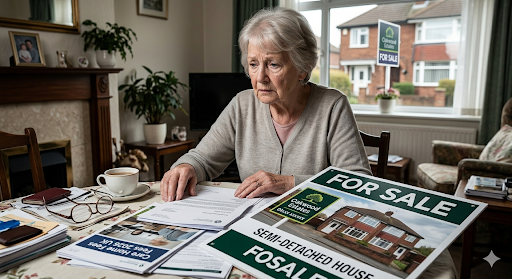
Thinking of downsizing your home? You’re not alone — it’s one of the most common moves made in retirement, and one of the most financially misunderstood. A retired couple in their late 60s decide their four-bedroom family home is too big. The kids have long gone. The heating bills are eye-watering. The garden feels more like a chore than a joy. So they sit down one evening and do the sums.
Their home is worth £350,000. They’ve spotted a lovely little two-bedroom bungalow for £220,000. That’s a £130,000 difference. Sorted, right? That’s a tidy cushion to top up the pension, fund a holiday or two, maybe help the grandkids.
Except — it isn’t. Not even close. The hidden costs of downsizing are far higher than most people expect. By the time you factor in stamp duty, solicitors’ fees, estate agent commissions, removal costs, new furniture, and a handful of other charges most people don’t see coming, that £130,000 can shrink to less than £90,000. Sometimes worse.
If you’re thinking of downsizing your home, this article is for you. We’re not here to talk you out of it — for many people it’s absolutely the right move. But we are here to make sure you go in with your eyes wide open, knowing exactly what you’ll actually pocket, and what you can do to protect as much of that equity as possible.
1. Thinking of Downsizing Your Home? Start With What Selling Actually Costs
Downsizing in retirement sounds straightforward on paper. But before you see a penny from your sale, a surprising slice of your equity disappears into fees. Let’s break down where it goes — and why thinking of downsizing your home means getting to grips with these numbers first.
Estate Agent Fees
In the UK, estate agent fees typically run between 1% and 3.5% of the sale price, including VAT. On a £350,000 home, that’s anywhere from £3,500 to over £12,000. It’s one of the first costs that surprises people who are thinking of downsizing your home — they simply don’t account for how much comes off the top before they see a penny.
You can reduce this by using an online estate agent such as Purplebricks or Strike, which charge flat fees from around £999. But you’ll handle more of the viewings and negotiation yourself — something to weigh up carefully.
Solicitor and Conveyancing Fees
You’ll need a solicitor (or licensed conveyancer) for both your sale and your purchase. Expect to pay £1,000–£2,500 per transaction, so £2,000–£5,000 in total. That includes searches, Land Registry fees, and their time dealing with the endless back-and-forth.
Energy Performance Certificate (EPC)
Required by law before you can market your property, an EPC costs around £60–£120. A small cost in the grand scheme, but another one many people forget to budget for.
| 💡 TIP Quick Estimate — Selling a £350,000 Home: Estate agent fee (1.5% + VAT): ~£6,300Solicitor (sale only): ~£1,500EPC: ~£80Total taken off sale: ~£7,880 |

2. The Costs of Buying Your New Home That Catch People Out
Here’s where things get really eye-opening — and where most people thinking of downsizing your home massively underestimate the bill.
Stamp Duty Land Tax (SDLT)
If you’re buying a home in England or Northern Ireland, you may owe Stamp Duty Land Tax. For most people downsizing (i.e. this is your main home), the current thresholds — from April 2025 — mean you’ll pay 2% on the portion between £125,001 and £250,000, and 5% on anything above that.
Buying that £220,000 bungalow? You’d owe £1,900 in stamp duty. That might not sound enormous, but it’s money out of your equity that you weren’t expecting — and it’s exactly the kind of cost that catches people thinking of downsizing your home completely off guard.
Note: If you’re in Scotland, you pay Land and Buildings Transaction Tax (LBTT). In Wales, it’s Land Transaction Tax (LTT).
Solicitor Fees — Again
Yes, you pay twice — once for selling, once for buying. It surprises almost everyone thinking of downsizing your home that conveyancing fees apply to both transactions. Factor in another £1,000–£2,000 for your purchase side, plus additional searches and disbursements.
Survey Costs
Many buyers skip a full survey to save money — and then regret it bitterly when a damp problem or roof issue emerges six months later. Surveys are one of the hidden costs of downsizing that actually protect you. A RICS HomeBuyer Report on a bungalow typically costs £400–£700. A full structural survey can run to £1,000+. Worth every penny, especially if you’re buying an older property.
| 💡 TIP Quick Estimate — Buying a £220,000 Bungalow: Stamp Duty: ~£1,900Solicitor (purchase): ~£1,500Survey (HomeBuyer): ~£500Total buying costs: ~£3,900 |
3. The Costs That Really Blindside People: Moving and Setting Up
You’ve sold. You’ve bought. Job done, right? Not quite. Now comes the physical bit — and moving costs for pensioners are consistently higher than people budget for, especially when you’re leaving a large family home.
Removal Company Costs
Moving costs for pensioners are consistently higher than expected — a professional removal firm for a full family home typically costs £1,000–£3,000 depending on distance and volume. If you add packing services, the bill goes up further. A part-load or smaller van might work for a downsizer, but don’t guess — get three quotes.
Storage
Here’s one of the hidden costs of downsizing that almost nobody budgets for: if you’re moving from a large house to a smaller one, you probably have more stuff than will fit. Many downsizers end up putting furniture or belongings into storage whilst they decide what to keep or sell. Self-storage units can run £50–£200 a month depending on size and location — and ‘temporary’ storage has a funny way of lasting eighteen months. It’s one of those moving costs for pensioners that snowballs quietly in the background.
Redecoration and Repairs
Your new place might need a lick of paint. New carpets. Maybe some kitchen updates. These redecoration bills are among the most underestimated moving costs for pensioners. It’s very common for people downsizing in retirement to spend £3,000–£10,000 or more on making their new home feel like home, especially if they’ve left behind a property they’d spent decades personalising.
New Furniture and White Goods
Your old three-piece suite might not fit in the new sitting room. Your American fridge-freezer probably won’t work in the smaller kitchen. Budget for this honestly. Furniture and white goods replacement is one of the most overlooked hidden costs of downsizing — even a conservative refresh can easily run to £2,000–£5,000.
| ⚠️ WARNING ⚠️ Watch Out For This: Some people discover after moving that their new home has higher service charges (especially leasehold flats and retirement properties) or ground rent obligations. Always ask about annual service charges and any upcoming major works before you exchange contracts. |
4. What You’ll Actually Pocket: A Realistic Example
Let’s put it all together. This is the scenario that plays out for thousands of people downsizing in retirement every year — a couple with a £350,000 home moving to a £220,000 bungalow.
| Item | Estimated Cost |
| Price difference (£350k → £220k) | £130,000 |
| Estate agent fee (1.5% + VAT) | −£6,300 |
| Solicitor fees (sale + purchase) | −£3,000 |
| EPC | −£80 |
| Stamp Duty on purchase | −£1,900 |
| Survey | −£500 |
| Removal company | −£1,500 |
| Redecoration / minor works | −£4,000 |
| New furniture / white goods | −£3,000 |
| Storage (3 months) | −£450 |
| Estimated amount actually pocketed | ~£109,270 |
That’s not a bad outcome — but it’s a long way from the £130,000 most people imagine. The hidden costs of downsizing are real, significant, and consistent. And if estate agent fees are higher, the new property needs more work, or you’re moving a bigger distance, that figure drops further. If you’re thinking of downsizing your home, this table is the reality check every financial adviser wishes their clients had seen before they started.
5. Hidden Financial Traps to Watch Out For
Beyond the headline costs, there are a few downsizing-specific pitfalls that catch people off guard. If you’re thinking of downsizing your home and moving into a retirement property, pay particular attention to these.
Retirement Properties and Leasehold Charges
For anyone downsizing in retirement into a specialist development, this section is essential reading. Retirement-specific properties — those “over-55” homes you see advertised — often come with annual service charges that can range from £3,000 to £10,000 per year. Some also have exit fees (also called ‘event fees’ or ‘transfer fees’) which can be 1–3% of the sale price when you come to sell. Always check the lease terms carefully before buying.
Benefits and Pension Credit Impact
If you receive Pension Credit or means-tested benefits, releasing equity from your home by downsizing could affect your entitlement. Capital above £10,000 can reduce Pension Credit; capital above £16,000 can disqualify you entirely. Speak to a benefits adviser — ideally via Citizens Advice — before you sell.
Capital Gains Tax
Good news for anyone downsizing in retirement: if the property you’re selling is your main residence (and has always been), you won’t normally pay Capital Gains Tax on the proceeds. This is one less thing to worry about if you’re thinking of downsizing your home from long-term owner-occupation. But if part of the property was rented out, or you’ve used it for business, you should get professional tax advice before proceeding.
| ✅ HONEST PENSIONER TIP Always consult an independent financial adviser or solicitor before making any decisions based on equity release, downsizing proceeds, or means-tested benefit entitlements. What works for one person may be completely wrong for another. |
6. How to Make the Most of Your Downsizing Move
Even with all those costs, downsizing can absolutely be the right move. If you’re thinking of downsizing your home in retirement, and your current property has become unmanageable, here’s how to protect as much of your equity as possible.
- Get at least three estate agent valuations. Don’t just go with the first one. Agents sometimes overvalue to win your business, which leads to price reductions later — costing you time and sometimes money.
- Compare conveyancing quotes online. Solicitor fees are one of the most negotiable hidden costs of downsizing. Services like Compare My Move or Reallymoving can help you find competitive rates in minutes.
- Declutter before you sell — not after. It makes your home more presentable for viewings and directly reduces your moving costs for pensioners — the less you move, the less you pay. Many charities will collect large items for free.
- Think carefully about timing. If you can be flexible, selling in spring or early autumn often gets better prices than mid-winter, when fewer buyers are active.
- Negotiate on your new purchase. You’re often a very attractive buyer as a downsizer — no chain on your new purchase if you’ve already sold. Use that as leverage.
- Talk to a financial adviser before you spend a penny of the equity. Whether it’s a pension top-up, helping the family, or investing — get proper guidance. Anyone thinking of downsizing your home should take this step before anything else.
Your Questions Answered
| ❓ Q&A — FOR QUICK REFERENCE Q: How much does it cost to downsize a house in the UK? A: The total cost of downsizing — including estate agent fees, solicitor fees, stamp duty, surveys, removal costs, and setting up your new home — typically ranges from £15,000 to £30,000 or more, depending on property values and circumstances. As a rule of thumb, budget for at least 10% of the price difference between the two properties to cover all associated costs. Q: Do I pay stamp duty when downsizing? A: Yes, if the property you’re buying costs more than the stamp duty threshold — currently £125,000 in England — you will owe Stamp Duty Land Tax on your purchase. There is no exemption specifically for downsizers. The amount depends on the purchase price and any applicable surcharges. Scotland and Wales have their own equivalent taxes. Q: Will downsizing affect my Pension Credit? A: It can do, yes. If you downsize and release equity as cash savings, that money will count as capital when the government assesses your Pension Credit entitlement. Capital above £10,000 starts to reduce your entitlement, and above £16,000 you’d normally be disqualified from Pension Credit entirely. It’s essential to speak to a benefits adviser before completing any sale. Q: Is downsizing worth it in retirement? A: For many people, downsizing in retirement is absolutely worth it — but not always for the financial reasons they expect. The actual cash released is often much lower than people anticipate once all the moving costs are paid. Many people find the real benefit is a more manageable home, lower running costs (heating, council tax, maintenance), and a simplified life. If financial gain is the main driver, it’s worth speaking to an independent financial adviser about all your options, including equity release, before committing. |
Conclusion: Go In With Your Eyes Open
If you’re thinking of downsizing your home, the single most important thing you can do is go in with realistic expectations about the numbers.
A £130,000 paper difference in property prices won’t mean £130,000 in your pocket. The real figure — after costs — is typically far lower. That doesn’t mean it’s the wrong decision. It might be exactly right for your lifestyle, your health, your finances, or your peace of mind.
But there’s nothing worse than selling a home you’ve lived in for decades, going through the upheaval of a move, and then discovering the hidden costs of downsizing have eaten far deeper into your equity than you ever imagined — because nobody warned you upfront.
Now you know. If you’re still thinking of downsizing your home, plan carefully, get proper advice, and make sure every penny of your hard-earned equity works as hard as it possibly can for you in retirement.
| 📌 CALL TO ACTION Found this useful? Here’s what to do next: Bookmark this page to refer back to during your planningShare it with a friend or family member who’s considering a moveRead our guide to equity release — another way some over-55s access their housing wealthCheck our article on Pension Credit to make sure you’re claiming everything you’re entitled to |
| Your Downsizing Checklist: – Stamp Duty Land Tax guide – Land and Buildings Transaction Tax – Land Transaction Tax (Wales) – Lease Advice – Citizens Advice – Capital Gains Tax guidance – Compare My Move – Reallymoving – Purplebricks – Strike (online estate agent) |