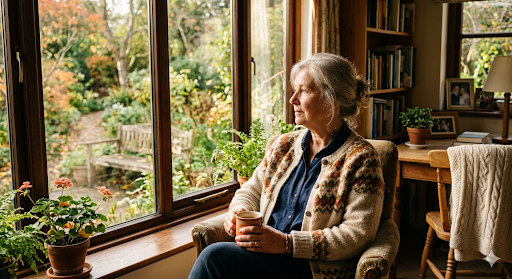
Loneliness after bereavement is one of the most painful experiences a person can go through — and yet it is rarely talked about honestly. When you lose a partner, a close friend, or a sibling after decades together, the silence that follows can feel deafening. You may be surrounded by people and still feel completely alone. If that sounds familiar, you are not imagining it, and you are certainly not alone. In this article, we share 9 honest ways to finally beat loneliness after bereavement — practical, real-world steps that can genuinely help you rebuild your life after loss.
| 💡 Quick Fact |
| Around 6.7% of people in the UK have experienced the death of a spouse. That’s millions of people who know exactly how you feel right now. |
Why Loneliness and Grief Go Hand in Hand
They are not the same thing, but they are deeply connected emotions that often arrive together. Grief is the emotional response to loss. Loneliness after bereavement is what settles in once the initial wave of grief begins to ease — when the visitors stop coming, the cards stop arriving, and the world expects you to simply ‘get on with it’.
The person you shared your day with — your meals, your worries, your small victories — is no longer there. That absence creates a very specific kind of emptiness that is different from simply being on your own. It is the loss of companionship, shared history, and daily routine all at once.
According to the NHS, grief can affect your mental health in serious ways, including causing depression and anxiety. If you are struggling after a bereavement, it is important to know that what you are feeling is a normal and recognised response, not a sign of weakness.
9 Honest Ways to Finally Beat Loneliness After Bereavement
1. Allow Yourself to Grieve Without a Timeline
One of the most damaging myths around bereavement is that grief follows a set path and ends after a year. It does not. Loneliness after bereavement can come in waves for years, and that is completely normal. Give yourself permission to grieve at your own pace, without pressure from others or yourself.
2. Join a Bereavement Support Group
Coping with loneliness is far easier when you are surrounded by people who genuinely understand what you are going through. Bereavement support groups — run by organisations like Cruse Bereavement Support — bring together people who have experienced similar losses. Sharing your experience in a safe environment can be remarkably powerful.
3. Rebuild a Daily Routine
When a partner dies, the daily routine that anchored your life disappears with them. Rebuilding a new structure — regular mealtimes, a morning walk, a weekly activity — gives your days shape and purpose again. It does not replace what you had, but it gives you something to move towards.
4. Talk to Your GP About How You Are Feeling
Many people do not realise that your GP can be one of the most useful first points of contact after a bereavement. They can refer you to local mental health services, counselling, or community programmes specifically designed for older people. Do not wait until things feel unbearable before asking for help.
It is also worth booking a free NHS Health Check if you have not had one recently, as bereavement can take a physical toll that often goes unnoticed.
5. Stay Connected With Family and Friends
If you are feeling lonely after bereavement, it can be tempting to withdraw — but isolation tends to deepen the pain rather than ease it. Make a commitment to stay in regular contact with family and friends, even if it is just a short phone call or a cup of tea. You do not have to pretend to be fine. Simply being with people you trust can help enormously.
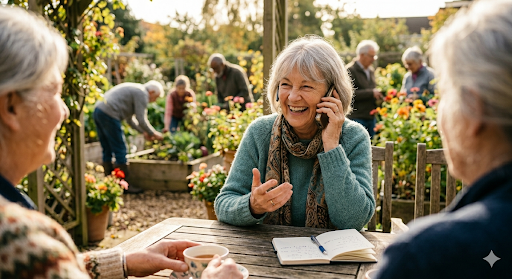
| 💡 Honest Pensioner Tip |
| If getting out feels too much at first, start small. A five-minute phone call or a brief text to a friend counts. Connection does not have to be a grand gesture. |
6. Explore Volunteering or a New Hobby
Finding a sense of purpose outside of your grief is one of the most effective long-term ways to rebuild your life after loss. Volunteering with a local charity, joining a gardening club, or picking up a craft you have always wanted to try can open up new social connections and give you a genuine reason to get out of the house each week.
7. Consider Whether Counselling Might Help
There is no shame in seeking professional support. Bereavement counselling offers a confidential space to talk through your feelings with a trained professional. Age UK provides excellent guidance on how to access bereavement support, including free options available across the UK.
8. Think About What Comes Next — In Your Own Time
Some people find that as loneliness after bereavement gradually eases, they start to think about new companionship. There is no right or wrong timeline for this. If you are open to the idea, our article on dating in retirement explores the subject with the honesty and sensitivity it deserves.
9. Get Your Practical Affairs in Order
Getting your practical affairs in order — particularly around wills and finances — can remove a significant layer of background stress that often makes loneliness feel worse. Our guide to making a will in retirement is a good place to start.
What to Do If Loneliness After Bereavement Feels Overwhelming
If loneliness after bereavement is significantly affecting your day-to-day life — your sleep, appetite, or ability to leave the house — please do speak to someone. Your GP is always a good first step. The NHS grief and bereavement page also has clear guidance on when to seek further support.
You are not expected to cope alone, and asking for help is one of the bravest things you can do.
| 🚨 Need to Talk Now? |
| Cruse Bereavement Support Helpline: 0808 808 1677 (free, Monday–Friday 9am–5pm) |
| Samaritans: 116 123 (free, 24 hours a day, 7 days a week) |
| Age UK Advice Line: 0800 678 1602 (free, 8am–7pm, 365 days a year) |
The Bottom Line
Loneliness after bereavement does not have to be permanent. It is a natural response to an enormous loss — and with the right support, the right connections, and a little patience with yourself, it is possible to find meaning, companionship, and even joy again. The nine steps above are not a quick fix, but they are an honest starting point.
You have already survived the hardest part. The road back to connection is possible.
Frequently Asked Questions
How long does loneliness after bereavement last?
There is no fixed timeline. Some people find it eases within months while for others it can come and go for years. What matters is not how long it lasts, but that you seek support when you need it.
Is it normal to feel lonelier after bereavement than when you were actually grieving?
Yes, this is very common. The initial period after a bereavement is often busy with practicalities and visitors. Loneliness after bereavement can deepen weeks or months later, once the immediate support fades away.
What is the best support for loneliness after bereavement in the UK?
Cruse Bereavement Support, Age UK, and your local GP are all excellent starting points. Many areas also have local bereavement groups run by hospices and community organisations.
Can loneliness after bereavement affect your physical health?
Yes. Research shows that prolonged grief can affect sleep, immune function, appetite, and heart health. This is why it is important to treat it seriously and seek support early.
Can grief cause loneliness?
Yes. Grief and loneliness are closely linked. When you lose someone central to your daily life, the emotional weight of grief can make you withdraw from others, which in turn deepens feelings of isolation. This is why reaching out for support as early as possible makes such a difference.