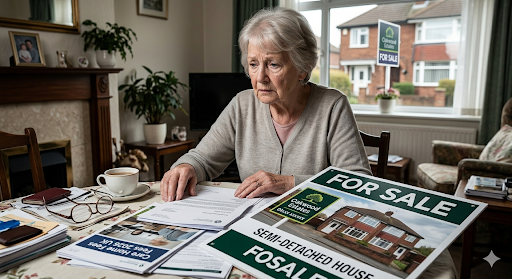
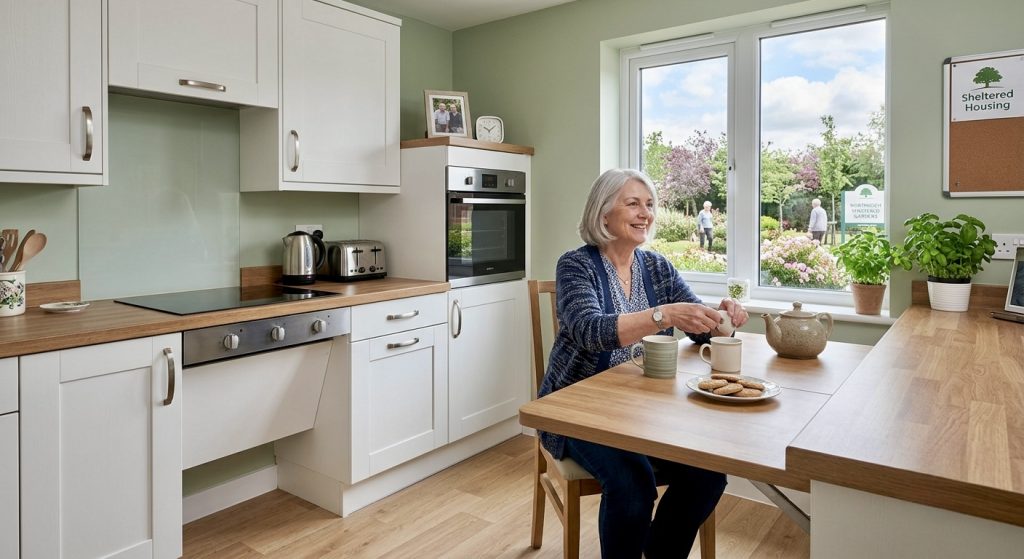
Choosing between sheltered housing and a retirement village is one of the biggest decisions many over-55s face, yet the two are often confused. Getting it wrong can mean paying for facilities you’ll never use, or worse, moving somewhere that can’t support you as your needs change. Here’s what actually separates them.
What Is Sheltered Housing?
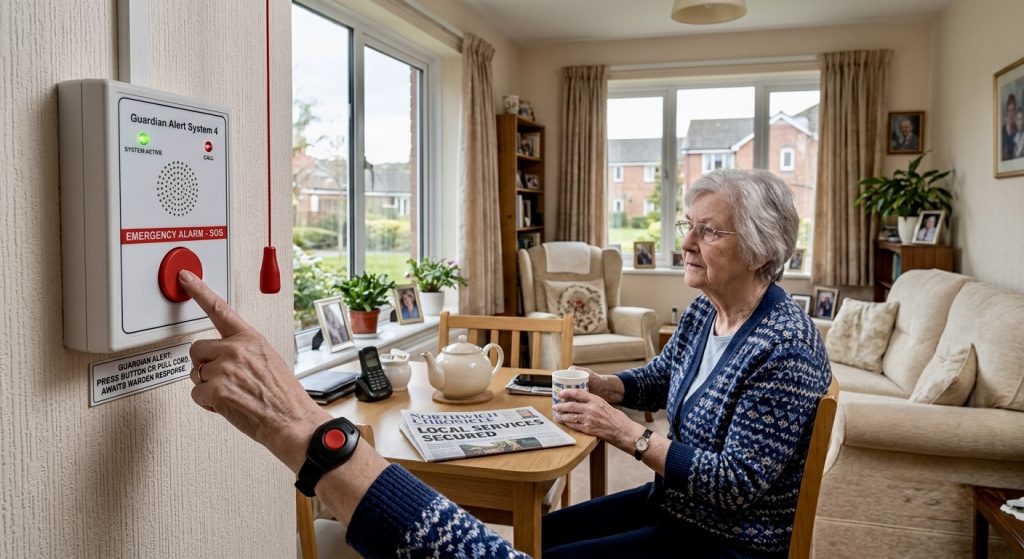
Sheltered housing is self-contained accommodation — usually a flat or bungalow — built specifically for older people, with a scheme manager and an emergency alarm system on hand. Unlike a care home, this type of housing doesn’t provide personal care such as washing or dressing. It’s aimed at people who can live independently but want the reassurance of support close by. Most schemes have a communal lounge or garden, and some are run by councils or housing associations rather than private developers. For an independent overview of funding and management, Age UK’s sheltered housing guide is worth a read.
If a care home is also on your radar, our guide comparing Sheltered Housing vs Care Home Costs covers the financial side in more depth.
Sheltered Housing vs Retirement Village: The Core Differences
The biggest difference is scale and lifestyle. A retirement village is a larger development — sometimes hundreds of homes — with facilities like gyms, restaurants, and organised activities built in. This option tends to be smaller and simpler, focused on safety and light support rather than an active social calendar. Retirement villages are also usually leasehold and privately bought, whereas renting is more common with this type of scheme, including through local authorities.
Sheltered Housing Costs and Service Charges Explained
Cost is where many people get caught out. Service charges typically cover the scheme manager, alarm system, and upkeep of communal areas — often more affordable than a retirement village’s charges, which fund gyms, restaurants, and larger grounds. Developers like McCarthy & Stone publish typical charge breakdowns for their retirement communities, useful as a benchmark. As we’ve covered in Retirement Flat Problems: 8 Vital Things Every Over-55 Must Know Before Buying, hidden ground rent and service charges are one of the most common complaints from leaseholders.
Sheltered Housing Schemes: Renting vs Buying
These schemes are available both to rent and to buy, which isn’t always true of retirement villages. Renting through a council or housing association usually means a means-tested waiting list, while private renting or purchase moves faster but costs more. If you’re weighing this against selling your current home, our guide to Care Home Costs UK 2026: Who Pays & Can They Take Your Home? is worth reading before deciding.
Extra Care Sheltered Housing — When You Need More Support
Extra care sheltered housing sits between a standard scheme and a care home. It offers on-site care staff for a few hours a day or on demand, without the full-time nursing support of a care home. This is worth considering if you’re managing a health condition but don’t yet need round-the-clock care — and it can delay or avoid a move into residential care altogether.
Is This the Right Move for You? 5 Questions to Ask
- Do I want an active social scene, or just peace of mind?
- Can I afford the service charge on top of rent or mortgage?
- Would I rather rent or buy?
- Do I need care now, or is this a “just in case” move?
- Have I checked reviews of the specific scheme’s management?
If mobility is a growing concern rather than a need for daily care, it’s also worth reading Don’t Buy a New Stairlift Until You’ve Read This: 3 Ways to Save Thousands — sometimes adapting your current home costs less than moving. And if you’re not sure moving is right at all yet, Thinking of Downsizing Your Home? Here’s the Retirement Trap Nobody Warns You About is a good next read.
FAQs
Is sheltered housing the same as a care home?
No. Sheltered housing offers independent living with light support, while care homes provide full personal care and are regulated by the CQC.
Can I get sheltered housing through the council?
Yes, many councils and housing associations offer it to rent, usually via a waiting list and means test.
What’s the difference between sheltered housing and extra care housing?
Related Articles
Retirement Flat Problems: 8 Vital Things Every Over-55 Must Know Before Buying
Thinking of Downsizing Your Home? Here’s the Retirement Trap Nobody Warns You About