Nobody enjoys thinking about it, but end of life planning is one of the kindest things you can do for the people you love. Without it, families are left searching through drawers and bank statements, trying to work out which pensions existed, where the will is kept and what the person wanted.
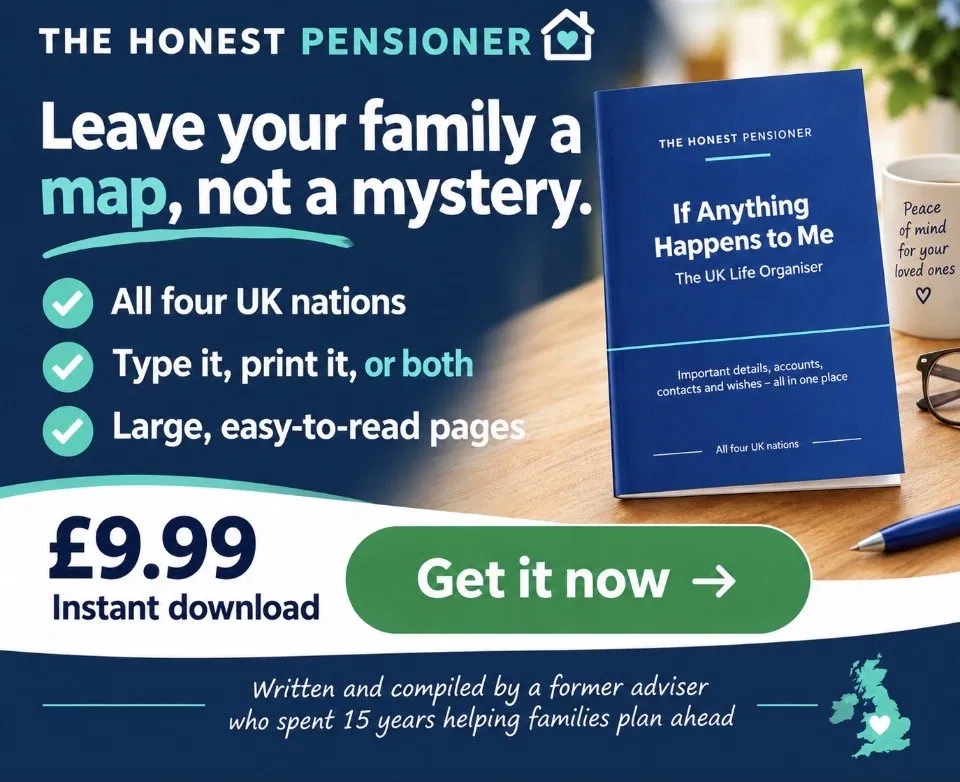
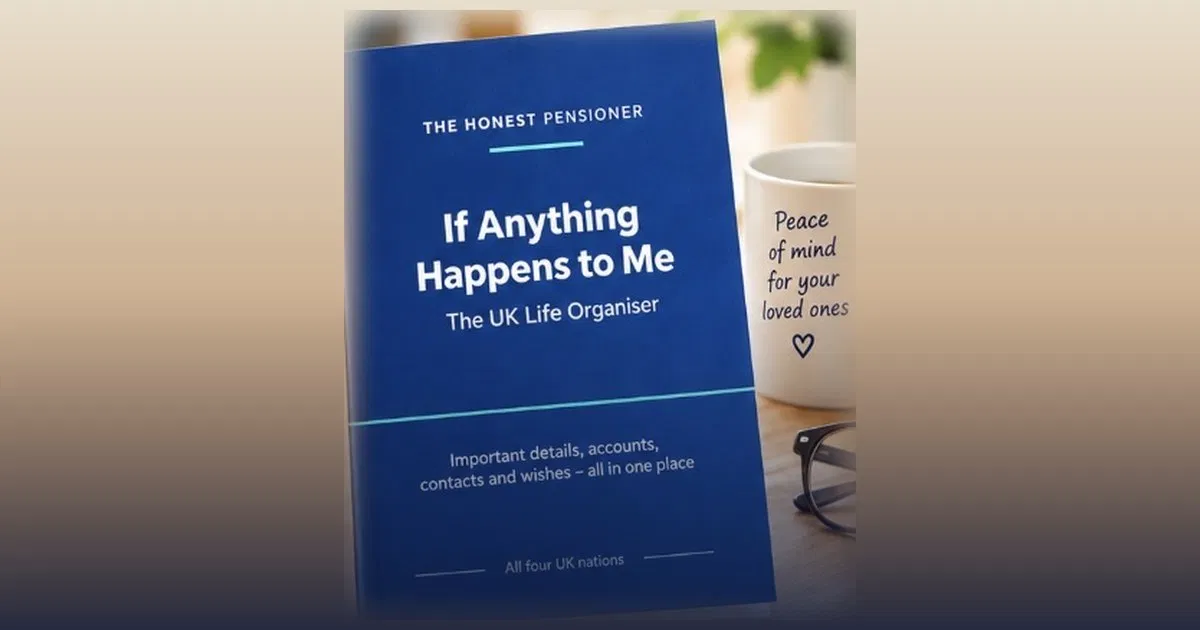
In my 15 years as a mortgage broker and consumer finance consultant, advising on wills, trusts and funeral plans, I saw this happen time and again. That’s why I’ve created If Anything Happens to Me: The UK Life Organiser, a printable end of life planner written for UK families.
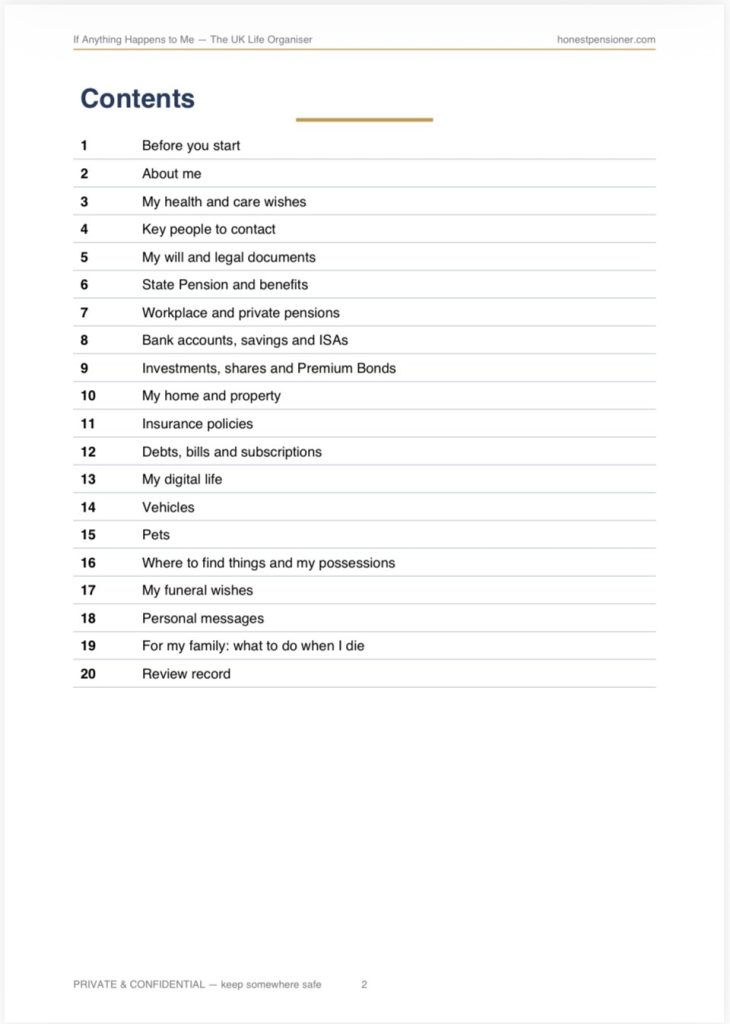
Table of Contents
A True Story That Shows Why This Matters
I recently met a friend and asked her how things had gone after her ex-husband died. Her answer was blunt: for their children, it had been a complete shambles.
He was living alone, and it was a week before anyone managed to contact his adult children. When they got to his house, there was nothing to tell them what to do, and no will.
It didn’t have to be that way. With a will, an up-to-date emergency contact and everything written down in one place, his children would have known exactly what to do. That’s what end of life planning is for.
What Does Planning for the End of Life Involve?
End of life planning simply means putting your affairs in order and writing down what your family would need to know if you died or could no longer speak for yourself.
In practice, end of life planning covers the legal side, such as your will and Lasting Power of Attorney, and the everyday details that are easy to overlook: which bank you use, who runs your pension and how to get into your phone. The same information also helps anyone managing your affairs if you’re seriously ill or in hospital.
Introducing If Anything Happens to Me: The UK Life Organiser
If Anything Happens to Me is a 48-page workbook you can fill in on screen or print, written specifically for the UK and fully updated for 2026/27. Everything in it, from State Pensions and ISAs to Premium Bonds, is based on how things actually work here, with notes for England, Wales, Scotland and Northern Ireland where the law differs.
What’s Inside the Organiser
- Personal details, key contacts, and your health and care wishes
- Your will, Lasting Power of Attorney and other legal documents
- Pensions, bank accounts, savings, ISAs and Premium Bonds
- Property, insurance, debts and subscriptions to cancel
- Your digital life, vehicles and pets
- Funeral wishes and personal messages to the people you love
- A step-by-step guide telling your family what to do, plus a review record
It’s an instant PDF download for £9.99, designed to make end of life planning simple. Print it at home and fill it in by hand.
Why It Matters at Every Age
Over 55s? You Have More to Keep Track Of
By our mid-fifties, most of us have several pensions, ISAs, Premium Bonds and a string of direct debits, some going back decades.
Lost pensions are a real problem. The Pensions Policy Institute estimated in 2024 that around 3.3 million pension pots in the UK were lost, worth roughly £31 billion.
From April 2027, most unused pension funds will also count towards your estate for Inheritance Tax. Good end of life estate planning means recording every pension, policy and nominated beneficiary in one place, which reduces the financial impact on your family and makes your executors’ job far easier. Our guide to property in retirement covers the other big asset most of us own.
If illness or dementia means you can no longer make decisions, the people helping you will need to know your wishes and where your Lasting Power of Attorney is kept. Our guides to Power of Attorney and care home fees explain the legal and financial side.
Single? It Matters Just as Much
End of life planning can matter even more if you live alone. If you die without a will, your estate passes under the intestacy rules, which can send everything to relatives you barely knew rather than the friend, partner or charity you’d have chosen.
Make sure a trusted friend knows where your organiser is kept.
Newly Married or Living Together? Check Your Plans Now
Marriage is a key moment for end of life planning. In England, Wales and Northern Ireland, getting married automatically cancels any existing will unless it was made with that marriage in mind.
If you live together but aren’t married, there’s no such thing as a common law spouse in England and Wales, and your partner has no automatic right to inherit. Our guide to common law partner rights explains where you stand.
If you’re marrying for a second time, read our guides to new wife inheritance rights and children’s inheritance when remarrying too.
Parents With Young Children: This Isn’t Optional
If you have children under 18, end of life planning is essential. Unless you name guardians in your will, the decision about who raises them could end up with the courts.
The organiser has space for personal messages your children will keep for life.
How to Get Started Today
- Make or update your will. My guide to making a will walks you through it.
- Set up Lasting Powers of Attorney for both financial decisions and health and welfare.
- Check the named beneficiaries on every pension and life policy.
- Trace any old pensions with the free government Pension Tracing Service.
- Fill in your end of life planner.
- Tell someone you trust where it’s kept.
- Make sure a trusted neighbour, your GP and your employer have up-to-date contact details for your family.
- Review it once a year, and after any major life event.
Working through one section at a time, at your own pace, makes end of life planning manageable. For free guidance on dealing with money after a death, MoneyHelper is an excellent independent resource.
Frequently Asked Questions
At what age should I start planning?
As soon as you have anything, or anyone, you want to protect, such as a home, a pension or children. For the over-55s, it’s certainly not too late.
Is the organiser a legal document?
No. It doesn’t replace a will or Lasting Power of Attorney. It records where those documents are kept, along with the practical information your family will need.
Is it a good gift for my parents?
Yes. It makes a thoughtful gift, and filling it in together can open up conversations about end of life planning that many families put off for too long.
Give Your Family the Gift of Clarity
End of life planning is, at heart, an act of love. It won’t take away grief, but it can take away the chaos that so often comes with it. The best time to get organised is now.
If Anything Happens to Me: The UK Life Organiser is the UK end of life planner that puts everything in one place. Download your copy today for £9.99, and give the people you love one less thing to worry about.
Already dealing with a loved one’s estate? My full UK end of life planner range also includes an executor workbook, 15 ready-to-send letters and a two-year plan.